Cart
0
How Biophilic Design Responds to the Way People Live Now
Homes are no longer designed only to impress. They are designed to support daily life. How a space feels now matters as much as how it looks. This shift has brought biophilic interior design into sharper focus, not as a trend, but as a response to how people want to live.
Biophilic interiors are about comfort, calm, and connection. They slow spaces down. They remove excess. They help homes feel grounded rather than overstimulating. While light, plants, and materials often take center stage in these conversations, rugs play a quieter role that is just as important. They shape how a room feels from the moment you step inside.
This guide explores what biophilic interior design really means and how rugs support these spaces through material choice, texture, and placement, without ever overwhelming the room.

What Biophilic Interior Design Really Means
At its core, biophilic interior design is about aligning indoor spaces with the natural rhythms and qualities that people instinctively respond to. Humans are not neutral to their surroundings. We are shaped by light, texture, sound, and material. When interiors echo the natural world, even in subtle ways, they tend to feel more comfortable, more intuitive, and easier to live in over time.
This approach is rooted in the understanding that well-being is influenced by environment. Spaces that feel overly artificial, overly perfect, or visually rigid can create quiet tension. Biophilic design works in the opposite direction. It introduces softness, variation, and balance, allowing interiors to feel supportive rather than demanding.
Importantly, this does not mean turning a home into an indoor garden or visually mimicking nature. Biophilic design is not about imitation. It is about interpretation. The focus is on sensory experience rather than decoration. Light that shifts naturally through the day. Materials that show grain, texture, or irregularity. Surfaces that feel warm, grounded, and familiar instead of slick or overly processed.
Biophilic interiors are also designed with longevity in mind. They are not meant to impress at first glance and fade over time. Instead, they are meant to feel better the longer you live in them. The design choices quietly support daily routines, moments of rest, and periods of focus without drawing attention to themselves.
In this way, biophilic interior design is less about visual impact and more about emotional and physical comfort. It creates environments that help people slow down, feel at ease, and reconnect with a sense of balance within their own homes.

Why This Approach Feels Relevant Today
Life today is largely lived indoors. Homes have become offices, places of rest, and social spaces all at once. Screens are always within reach, lighting is often artificial, and visual stimulation is constant. Even well-designed interiors can begin to feel overwhelming when they are not tuned to how people actually live and process their surroundings.
This is where biophilic design feels especially timely. It responds to mental and sensory fatigue by restoring a sense of balance. Instead of adding more elements, it simplifies. Instead of chasing bold statements, it softens the environment. Materials that feel natural and honest replace finishes that feel overly polished or impersonal. Visual noise is reduced so the eye can rest, and the space can breathe.
The growing interest in biophilic design is not driven by trend cycles. It is driven by lived experience. People are noticing how their environments affect their mood, focus, and energy levels. A room may look impressive, but if it feels tense or draining, it no longer serves its purpose.
Biophilic interiors shift the question from appearance to experience. Rather than asking how a room should look in photos, this approach asks how the space supports the people who move through it every day. When a home feels calm, grounded, and easy to inhabit, design stops being a surface choice and becomes a form of care.
The Core Principles That Shape Biophilic Spaces
Successful biophilic interiors are not built on decoration alone. They are guided by a few foundational principles that shape how a space feels, functions, and ages over time. When these principles work together, the result is an interior that feels calm, intuitive, and deeply livable.
The first principle is connection. Biophilic spaces create a subtle relationship between the indoors and the natural world. This connection does not need to be dramatic. It can be established through natural light moving across a room during the day, organic shapes that soften hard lines, or materials that feel familiar under the hand. Even small, thoughtful references to nature can shift the atmosphere of a space, making it feel more open and grounded.
The second principle is authenticity. Natural materials are never identical, and biophilic interiors embrace that reality. Wood grain varies, fibers show texture, and surfaces develop character over time. These changes are not flaws to be corrected. They are part of what makes a space feel real and lived in. Authenticity removes the pressure of perfection and replaces it with comfort and ease.
The third principle is visual calm. Nature rarely overwhelms the senses. Instead, it layers elements gently, allowing the eye to move without strain. Contrast is present, but it is balanced rather than sharp. Biophilic spaces often appear simple at first glance, yet they are carefully composed. Every material, surface, and object has been chosen with intention, contributing to an environment that feels restful rather than busy.
Why Floors Matter More Than We Realize
Floors quietly shape how we experience a space, often more than walls or ceilings ever do. They influence how sound travels, how movement feels, and how comfortable a room is to live in. A space can be visually well designed, but if the floor feels hard, echoing, or disconnected, the room may still feel unsettled or incomplete.
In biophilic interiors, the floor is treated as a foundational layer rather than a background surface. What happens underfoot affects how people slow down, where they gather, and how they interact with the space. Softness beneath the feet introduces a sense of ease that cannot be achieved through furniture or lighting alone. It also helps absorb sound, reducing sharp echoes and creating a calmer acoustic environment.
Rugs quietly play a central role in this approach. They anchor furniture, define zones within open layouts, and guide movement without the need for visual barriers. A seating area feels more cohesive when it rests on a rug, and pathways through a room become more intuitive when the floor surface gently signals where to pause and where to pass through.
Even in rooms with excellent natural light and carefully selected furnishings, the absence of a grounding element on the floor can leave the space feeling unresolved. This is why rugs are so important in biophilic design. They rarely demand attention, yet they quietly shape how a room feels, functions, and settles over time.
Choosing Materials That Support Long-Term Comfort
Material choice in biophilic interiors goes far beyond how something looks on day one. It’s about how a surface feels after months of use, how it responds to daily routines, and how naturally it settles into the rhythm of a home. In spaces designed for calm and balance, materials should support life quietly rather than demand constant attention.
Wool rugs are often selected because they perform well in everyday environments without feeling delicate or rigid. They help regulate temperature, soften sound, and remain comfortable across seasons. Over time, their presence fades into the background in the best possible way. They simply work, allowing the space to feel stable and lived in rather than carefully maintained.
In more casual or nature-forward settings, jute rugs introduce a grounded, tactile quality. Their texture feels honest and direct, adding character without softness becoming the focal point. This kind of material helps anchor a room, especially when the goal is to keep the space feeling relaxed and unforced.
Rooms filled with natural daylight often benefit from a different kind of material response. A silk rug can add quiet depth by reflecting light gently across the surface. Instead of adding visual weight, it introduces a soft dimension that shifts throughout the day, keeping the space engaging without becoming busy.
When a room calls for both comfort and refinement, Materials that combine natural warmth with subtle texture help create that balance. Rather than defining the room, they support it, allowing furniture, light, and movement to work together effortlessly. This thoughtful approach to materials is what gives biophilic interiors their lasting sense of ease.
How Craft Influences the Feel of a Space
Nature is never identical, and biophilic interiors reflect that reality through craftsmanship.
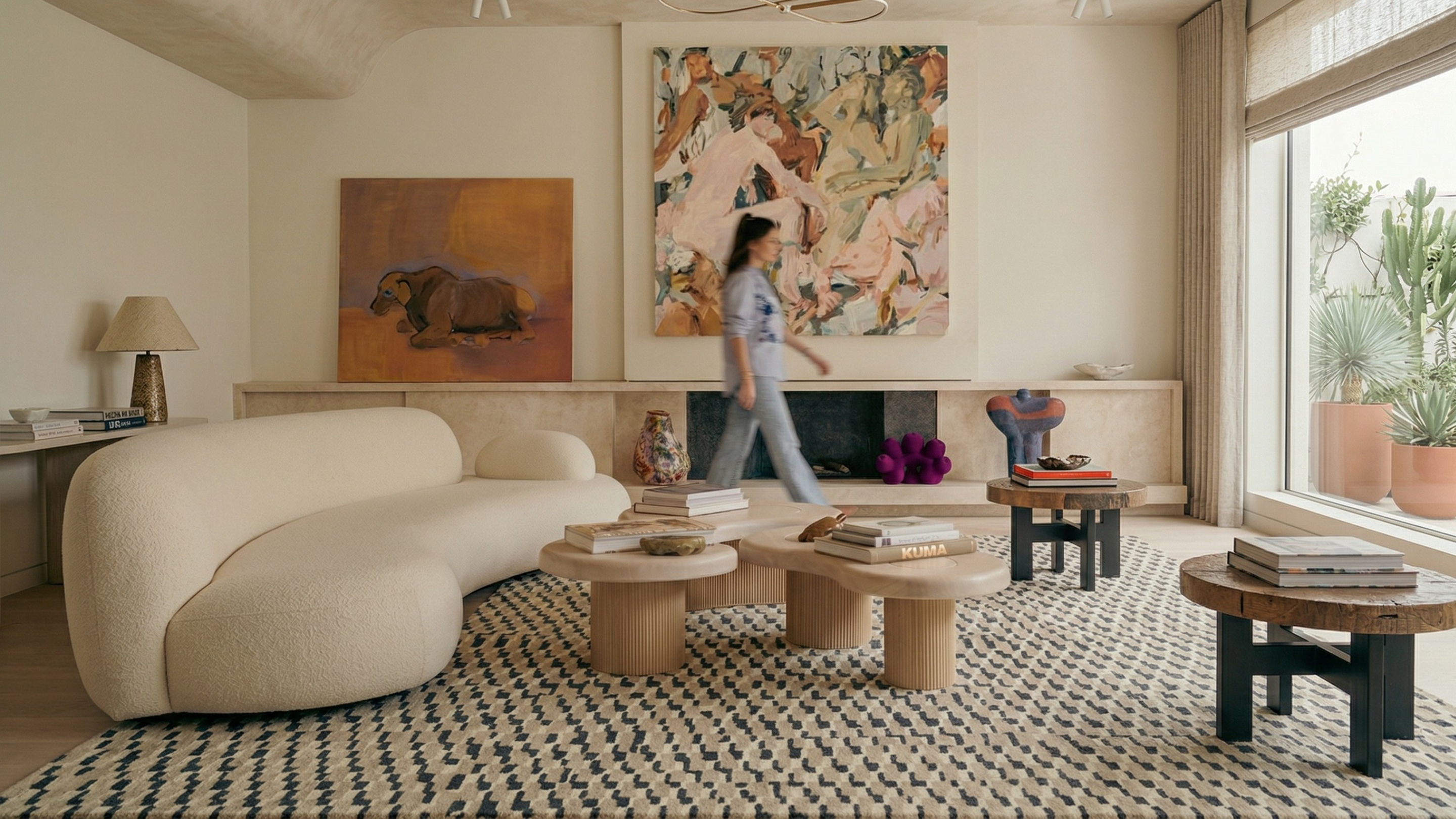
Hand knotted rugs introduce subtle differences in texture and form that give a space depth and character that mass-produced alternatives simply cannot replicate. The natural variation in the weave creates a surface that feels rich, grounded, and visually calm, making these rugs a strong choice for living rooms and bedrooms where long-term comfort and authenticity matter. Over time, the rug settles into the space, developing a presence that feels permanent rather than decorative, which is exactly why many homeowners invest in this construction when they want something that lasts.
For homes where everyday use is the priority, hand tufted rugs offer a practical and comfortable foundation. They provide a softer feel underfoot, help reduce noise, and integrate easily into daily routines without requiring special care. This balance of comfort and durability makes them well suited for family spaces, relaxed living areas, and bedrooms where ease of use matters just as much as appearance. Their strength lies in supporting the space quietly, allowing the room to function smoothly without visual or sensory distraction.
In spaces with open layouts, glass walls, or non-standard proportions, a custom rug allows the design to respond precisely to the room, ensuring the rug fits the layout naturally instead of forcing compromises.
Patterns That Suggest Nature Without Imitating It
Patterns in biophilic interiors are rarely direct or literal. Instead of copying leaves, flowers, or landscapes exactly as they appear outdoors, they suggest natural movement in a quieter, more abstract way. This subtlety is important because biophilic spaces are meant to feel calming, not visually demanding.
Designs with organic flow, soft transitions, and layered textures tend to work best. Patterns that feel slightly irregular or gently rhythmic echo how nature behaves, without turning the rug into a focal graphic. Even floral rugs can sit comfortably within a biophilic interior when the pattern feels grown and restrained rather than bold or decorative.
Restraint is what keeps these patterns effective. The goal is to support the atmosphere of the room, not compete with it. When a rug becomes the loudest element in the space, it pulls attention away from light, materials, and layout. In biophilic design, balance matters more than impact, and patterns should quietly reinforce that sense of ease rather than disrupt it.
Color Choices That Help a Room Settle
Color plays a quiet but influential role in shaping how a biophilic interior feels. In these spaces, color is not used to create contrast or drama. Instead, it works in the background, helping the room feel balanced and emotionally comfortable.
Nature-inspired palettes tend to be the most effective because they allow the eye to rest. Soft neutrals, earthy browns, muted greens, and mineral tones do not compete for attention. They create a visual baseline that feels stable and calm, making it easier for light, texture, and form to coexist without friction.
Rugs often carry a significant share of this responsibility because they cover a large visual surface. When the floor feels grounded in color, everything placed above it feels more intentional and cohesive. Furniture settles more naturally, textiles feel connected, and the room as a whole feels resolved rather than layered by chance.
This sense of quiet stability is one of the reasons rugs are so effective in biophilic interiors. They hold the color story of the space together, allowing the environment to feel calm, consistent, and easy to live in over time.
Living Rooms Designed for Ease, Not Display
A biophilic living room is shaped around how people actually use the space, not how it appears in photographs. It prioritizes comfort, flow, and everyday interaction over visual impact. The room should feel welcoming the moment someone enters, encouraging them to sit down, relax, and spend time without feeling like they need to preserve the setting.

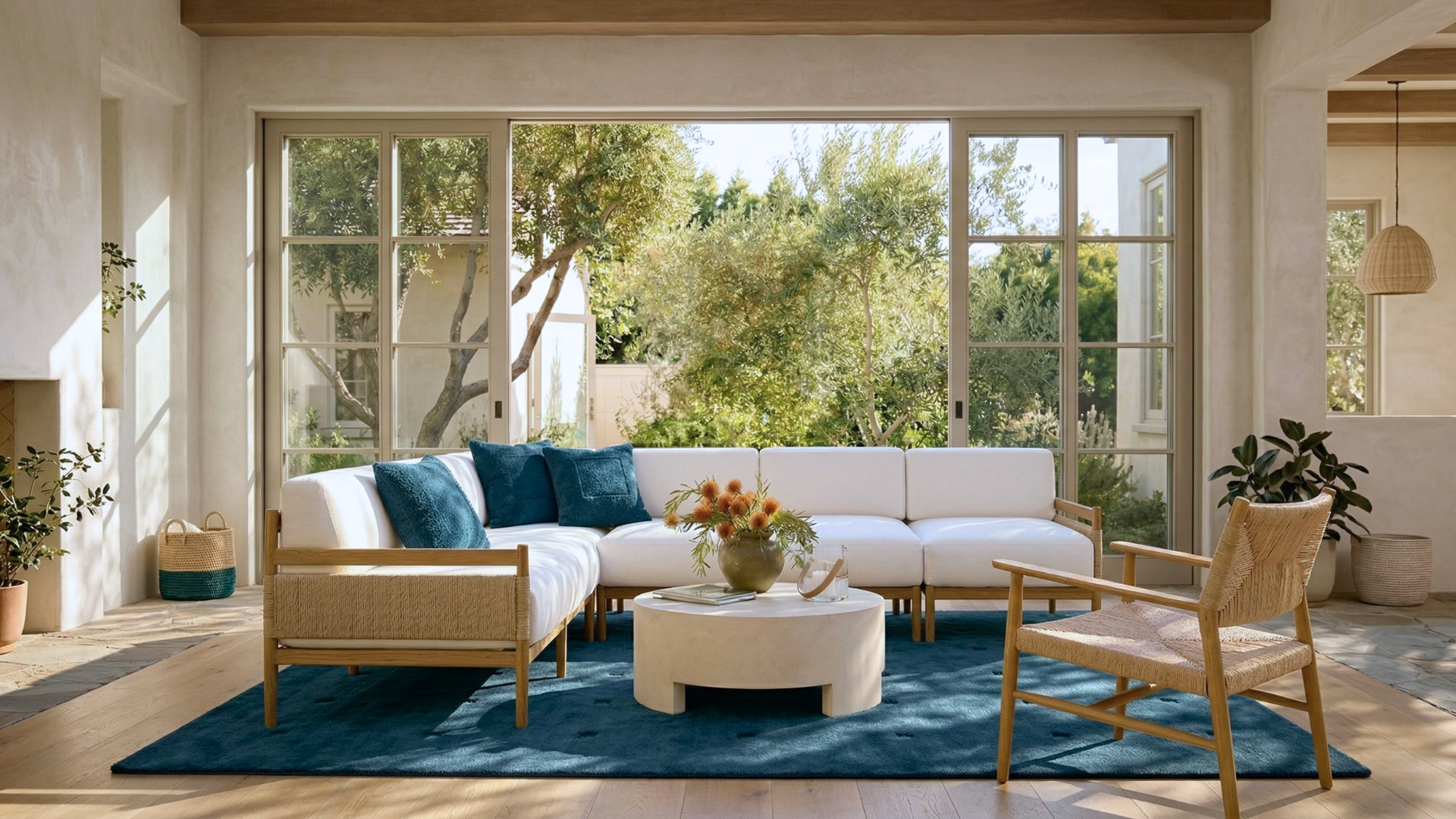
Rugs play an important role in creating this sense of ease. Large rugs that fully support seating areas help define the layout and bring furniture together into a single, cohesive zone. When chairs and sofas rest comfortably on a rug, the space feels anchored rather than fragmented. Natural textures add quiet interest underfoot, making the room feel layered without introducing clutter or distraction.
In living rooms with limited natural light, this approach becomes even more important. Instead of relying on bright colors or strong visual statements, designers often focus on material depth and tactile comfort. Rugs provide warmth and balance in these spaces, softening the room and adding presence without the need for bold contrast. The result is a living area that feels calm, usable, and inviting throughout the day.
Bedrooms That Encourage Rest at a Sensory Level
Biophilic thinking becomes most personal in the bedroom, because this is where the body fully slows down and resets. Unlike shared spaces, bedrooms are experienced at quieter moments, early in the morning and late at night, when the senses are more aware of temperature, texture, and sound.

One of the first sensations of the day comes from underfoot. A thoughtfully placed rug softens that initial contact with the floor, making the transition from rest to movement feel gentle rather than abrupt. This small detail can subtly influence how the day begins, adding comfort without requiring conscious attention.
A biophilic bedroom focuses on calm, softness, and material comfort. Visual simplicity is key. The rug does not need to stand out or dominate the space. Instead, it works quietly in the background, absorbing sound, warming the room, and supporting daily routines. When chosen with care, it helps the bedroom feel grounded, peaceful, and naturally restful.
Rugs as Part of a Larger Material Conversation
Rugs have the greatest impact when they are considered as part of a wider material approach rather than isolated design elements. In biophilic interiors, no single piece is meant to stand alone. Every surface works together to shape how the space feels and functions.
These interiors often rely on natural textiles, handcrafted details, and finishes that improve with age instead of wearing out. Materials are chosen for how they feel to the touch, how they interact with light, and how they settle into daily life. The intention is not to fill the room with objects, but to be selective, allowing each element to earn its place through comfort and purpose.
When rugs follow this same philosophy, they stop reading as decorative additions. They begin to feel like part of the structure of the room itself, visually grounding the space and supporting everything built above them. This sense of integration is what allows biophilic interiors to feel calm, cohesive, and naturally complete.
Bringing Biophilic Design Into Your Home Gradually
Biophilic design does not require a full renovation or a dramatic shift in style. It is a gradual approach that builds comfort over time, allowing spaces to evolve naturally rather than change all at once.
The most effective place to begin is with elements you interact with every day. Floors, seating, and textiles have a far greater impact on how a space feels than decorative objects or wall accents. When these foundational layers are comfortable, balanced, and thoughtfully chosen, they quietly improve the experience of living in the space.
As these core elements begin to feel right, the rest of the room often falls into place without effort. Furniture choices become clearer, accessories feel more intentional, and the overall environment settles into a calm rhythm. This gradual process is what makes biophilic design sustainable, approachable, and easy to live with over time.
More Than a Style, a Way of Living
People continue to ask what biophilic interior design really is because they are searching for spaces that feel genuinely good to live in, not spaces created only for visual appeal. As homes take on more roles in daily life, comfort, balance, and emotional ease have become just as important as aesthetics.
When interiors work with natural rhythms rather than resisting them, the atmosphere of a home begins to change. Spaces feel calmer, more open, and more generous in how they support everyday living. Light, material, and layout come together in a way that feels natural instead of forced.
Thoughtfully chosen rugs play a quiet role in this shift. They shape how a space feels from day to day, supporting comfort, movement, and routine without drawing attention to themselves. This consistency creates an environment that remains easy to live in over time.
That ability to support daily life without constant adjustment is what allows biophilic design to endure. It moves beyond style and becomes a way of living that prioritizes well-being, ease, and long-term comfort.
FAQs
How do rugs influence the emotional comfort of a biophilic interior?
Rugs shape emotional comfort by softening sound, slowing movement, and grounding the space visually. In biophilic interiors, this helps reduce sensory tension and creates an environment that feels supportive rather than stimulating, which contributes to calm and ease over time.
Can biophilic design still work in homes without obvious greenery?
Yes. Biophilic design is not dependent on plants alone. Light quality, natural materials, tactile surfaces, and how a space responds to daily use can create a biophilic experience even when greenery is minimal or absent.
Why do biophilic interiors often feel better after living in them for a while?
Because they are designed around experience rather than immediate visual impact. As materials age naturally, light patterns become familiar, and routines settle, the space begins to feel more intuitive and emotionally comfortable.
Does biophilic design require a specific interior style?
No. Biophilic principles can adapt to modern, minimalist, contemporary, or even traditional interiors. The focus is on how materials, light, and textures interact, not on a fixed visual aesthetic.
How can rugs support biophilic design in open-plan homes?
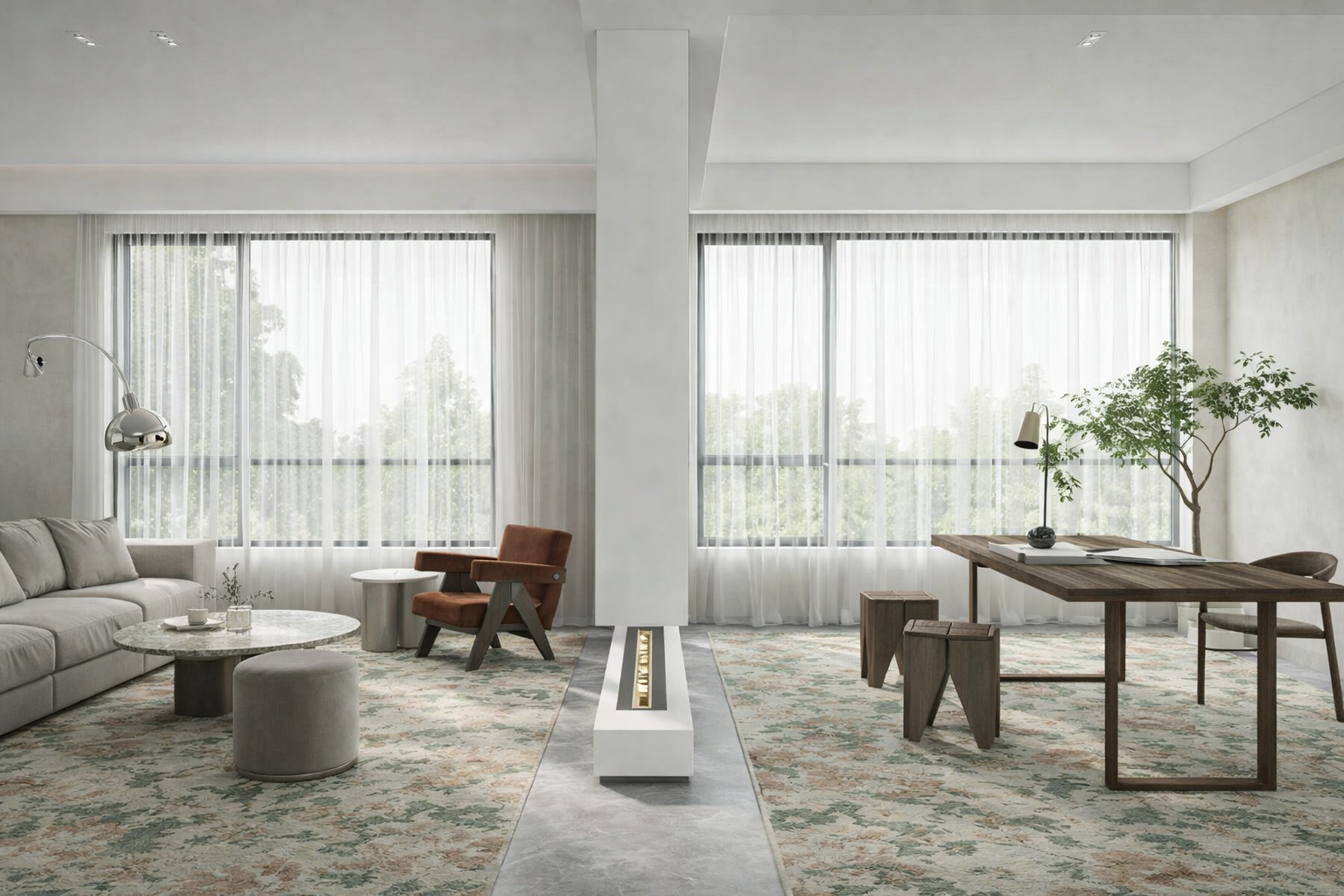
In open layouts, rugs help define zones without physical barriers. They anchor furniture groupings, guide movement, and maintain visual calm, allowing the space to feel connected while still feeling organized and grounded.
Is biophilic design suitable for urban homes with limited natural light?
Yes. In low-light settings, biophilic design relies more on material depth, texture, and underfoot comfort. Rugs play an important role by adding warmth and balance without relying on bright colors or visual contrast.
About the author
Afzal Rub is an interior designer who graduated from Pearl Academy of Design with a degree in Textile Interior Design in 2016. He then began his career in New Delhi City by spearheading his own design firm decordec, which handles various high-end design projects in India and beyond. His work has been featured in celebrity homes and he is known for his characteristic of being a tastemaker in the carpet world.
In 2019, Afzal opened his own Decordec, a creative ecosystem for collaboration and development, focusing on experimentation, craftsmanship and technique. Here, artists come together to narrate tales of evolving aesthetics. Decordec is particularly known for its geometry, materiality, and simple aesthetic.
Furthermore, amid a global pandemic that has brought the entire world to a standstill, Afzal wanted to create a formalised body of change amongst designers and has been able to conceptualise and collaborate to launch.
In 2019, Afzal opened his own Decordec, a creative ecosystem for collaboration and development, focusing on experimentation, craftsmanship and technique. Here, artists come together to narrate tales of evolving aesthetics. Decordec is particularly known for its geometry, materiality, and simple aesthetic.
Furthermore, amid a global pandemic that has brought the entire world to a standstill, Afzal wanted to create a formalised body of change amongst designers and has been able to conceptualise and collaborate to launch.
written by Talha Ansari