Cart
0

Why Glass Walls Change the Way Rugs Matter
Homes designed with glass walls and open architecture feel expansive and luminous, dissolving boundaries between inside and outside. This creates a captivating environment where natural light, views, and clean lines become defining design features. But this radiant openness also creates unique challenges such as echoes, lack of spatial definition, glare, and a sense of visual overload if floors, furniture, and architectural surfaces compete with each other.
A rug in this context becomes a spatial strategist rather than a simple accessory. The right area rug can balance reflective surfaces, anchor furniture groupings, clarify function in open-plan living spaces, and add warmth without diminishing the integrity of modern architecture or glass-heavy interiors.
To excel where competitors often stay superficial, this guide goes beyond basic material lists and aesthetic statements. We explore how light behavior, proportion, function, rug placement, daily living patterns, and lifestyle habits influence the best rug choices for homes with glass walls and open architectural layouts.

Understanding How Glass Walls Change Spatial Dynamics
Glass walls radically transform how a space feels. They amplify light, blur boundaries, and make traditional zoning strategies obsolete.
Light behavior:
Glass surfaces reflect brightness deeper into the room, which can make walls, floors, and furniture appear more gleaming than intended. Most discussions overlook mention texture, but they rarely articulate how light management directly affects rug choice. Rugs with matte surface finishes reduce glare and give the eye a place to rest.
Sound behavior:
Wide open spaces with hard surfaces bounce sound, creating echo and noise fatigue. Rugs aren’t only decor. They absorb acoustic energy, soften sound, and make living areas feel more intimate.
Visual hierarchy:
In conventional rooms, walls frame rugs and furniture. In glass-walled rooms, rugs become the visual frame. Their scale, color, and texture build the psychological perimeter that walls no longer provide.
Material Intelligence: What Performs Best and Why
Wool and Wool Blends
Wool is often cited for durability and softness. In glass-dominated homes, it also provides matte reflectance, turning light into warmth rather than glare. High-density wool also resists crushing and helps regulate acoustics in living rooms.
Flatweaves and Low-Pile Options
Flatweaves and low-pile rugs are often under-mentioned in competitor content, yet they are among the most practical rug options for homes with glass walls and open architecture. These styles work especially well as kitchen rugs, entryway rugs, and dining area rugs in spaces adjacent to glass walls, where movement, spills, and daily traffic are more frequent. Their low-profile construction makes them easy to maintain, allows furniture to sit flat, and prevents visual heaviness in light-filled interiors. In open-plan layouts, flatwoven area rugs help define functional zones subtly, creating smooth transitions between living, dining, and kitchen spaces without disrupting the openness of the architecture.
Texture as a Design Tool
Texture doesn’t just add visual interest; it breaks up reflected light. Loops, high–low surfaces, and fine but multidirectional pile variations add depth. This is especially important in areas where light shifts throughout the day.
Hand tufted rugs often achieve this balance beautifully. They provide a soft tactile quality without an overly glossy finish.
Color Strategy That Supports Open Architecture
Common wisdom suggests neutrals for minimalist homes; this is true but with nuance.
Neutral doesn’t mean invisible
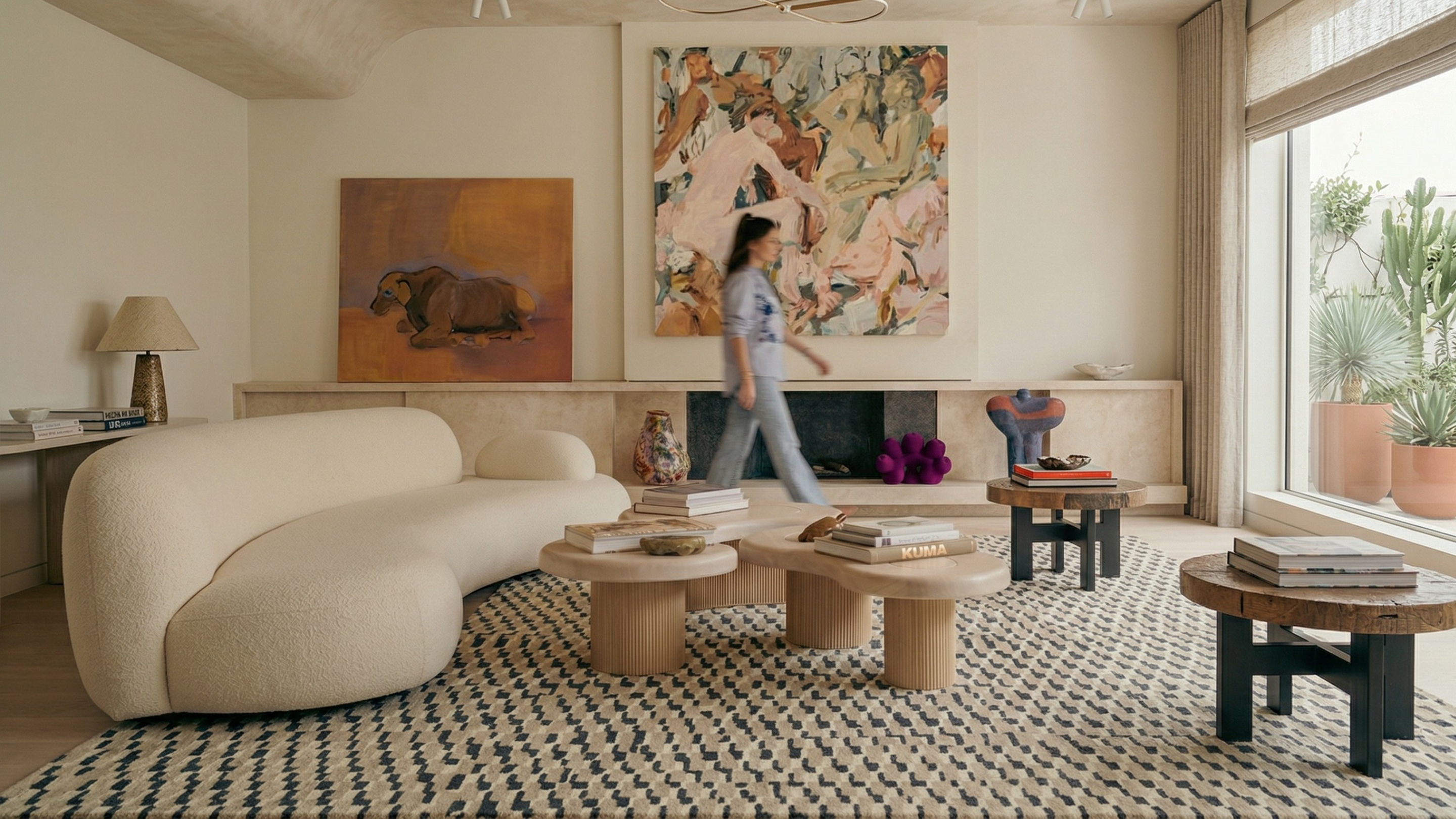
Ivory rugs provide brightness and warmth, reflecting light gently. They work especially well against stone, wood, or polished concrete floors where the goal is complementary cohesion rather than contrast.
Grey rugs bring a grounding effect. In spaces with cooler finishes (steel, cement), they act as a bridge between warm interiors and crisp exteriors. Choose mid-tone greys with warm undertones to keep the space inviting.
Coordinating with outdoor vistas
In architecture where glass frames an outdoor view, consider subtle color dialogues with nature. Earthy neutrals echo landscape hues, while soft blues or greens reflect sky and foliage. This creates a visual continuum between exterior and interior.
Function-Driven Rug Placement in Open Layouts
This is often underexplored list suggested rug placements but skip the why and how. Here’s a comprehensive strategy:
Living Room Rugs and Seating Zones
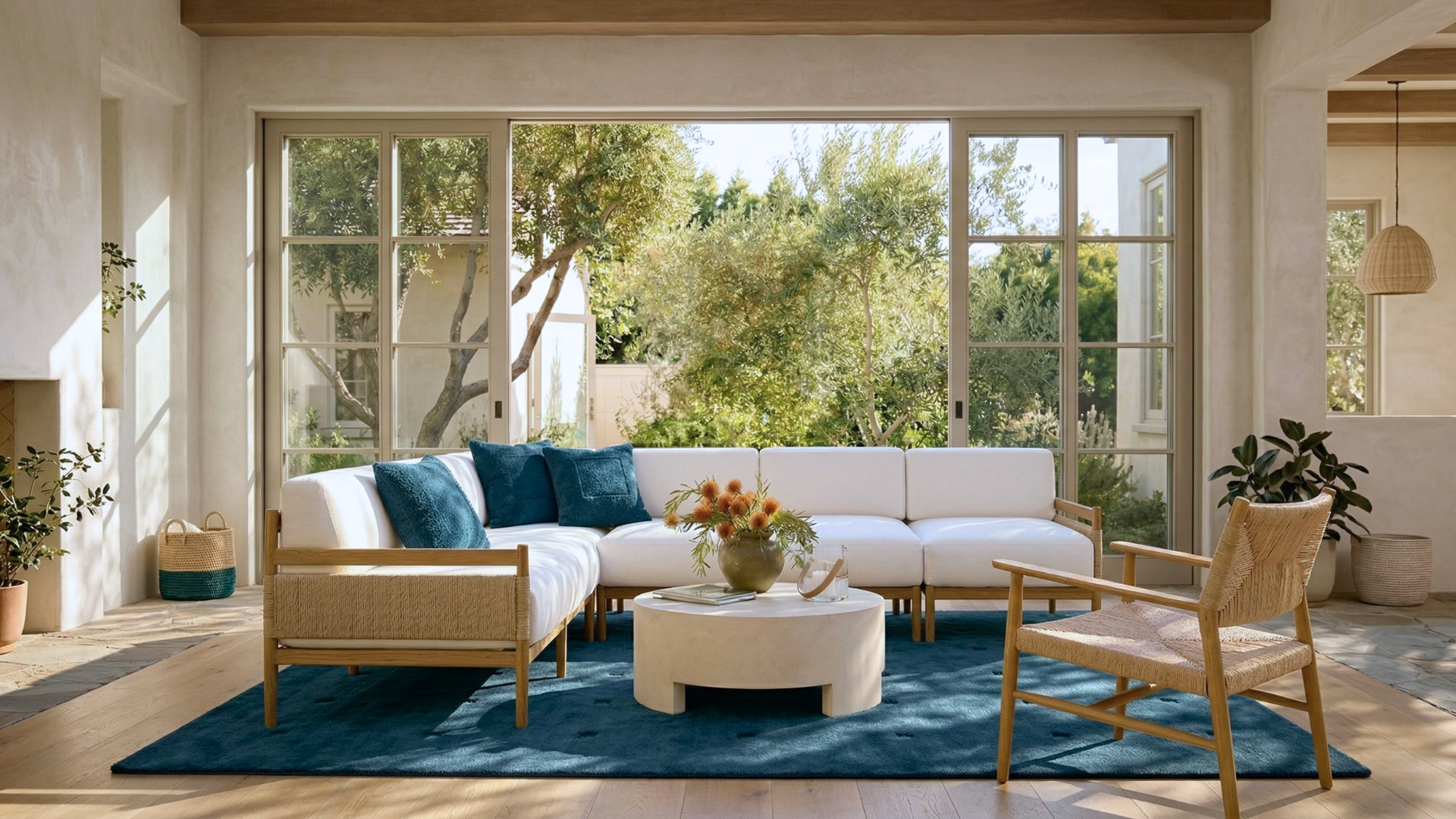
In open living areas, living room rugs need to be generously sized to visually unify seating arrangements and establish a clear social zone within the space. This creates an anchored social zone rather than floating furniture in an ambiguous environment.

When chosen thoughtfully, area rugs for living rooms also help soften reflective flooring, reduce sound bounce, and introduce warmth without interrupting the openness of the architecture. A well-proportioned rug transforms an ambiguous open space into an intentional seating zone that feels inviting, balanced, and comfortably defined.
Transitional Areas
In corridors or passages created by open floor plans, smaller formats such as 3x5 rugs help guide movement and add softness underfoot. These are ideal near entrances, beside beds, or between living and dining zones.
Kitchen Rugs and Functional Zones
Modern homes blur kitchen boundaries with glass walls or open layouts. Competitors often overlook the functional requirements here. Rug materials in kitchens should be low-pile, stain-resistant, and easy to clean. A flatwoven rug near a kitchen island or sink zones enhances comfort during long prep periods and visually connects with adjacent living spaces without interrupting flow.

Bedroom Rugs
Bedrooms adjacent to glass walls require a different approach: comfort first. Extend the rug beyond the bed to create a warm step-out experience, and use texture to soften light reflections in the morning.
Proportion, Scale, and Visual Balance
Scale impacts perception. A too-small rug in a glass-walled space looks purposeless. Competitors sometimes recommend sizes broadly, but here’s how to be intentional:
-
Large zones: Choose rugs that visually fill the zone defined by furniture. Large rectangular rugs define seating and reduce perceived emptiness.
-
Layered rugs: In very open or double-height spaces, layering a softer rug over a broader foundation rug adds depth and richness without overwhelming minimalism.
-
Alignment with architectural lines: Align rugs with structural axes, furniture groupings, and sightlines for coherence.
Bedrooms with Glass Walls Facing the Garden: What Changes and What to Consider

When a bedroom opens directly onto a garden through glass walls, the relationship between interior and exterior becomes deeply personal. This type of space is no longer just a sleeping area; it becomes a retreat shaped by light, greenery, privacy, and daily rhythms. This aspect is rarely addressed stop at aesthetics, but the real design challenge lies in managing exposure without losing comfort.
A rug plays a far more strategic role here than in a standard bedroom.
Managing visual softness and privacy
Garden-facing glass walls introduce constant visual movement. Leaves shift, light changes, shadows travel across the floor. While this connection to nature is calming, it can also make a bedroom feel visually active throughout the day. Bedroom rugs help soften this interaction by grounding the interior visually. A calm surface underfoot allows the eye to settle inward rather than constantly being pulled outside.
Neutral-toned rugs with subtle texture work best here, as they support rest without competing with the natural view.
Temperature and comfort near glass
Glass walls tend to make rooms cooler, especially early mornings and late evenings. Floors near glass panels often feel colder than the rest of the room. This is where bedroom rugs become essential from a functional standpoint. They create thermal comfort exactly where bare feet first touch the floor, improving the everyday experience of the space.
Placing a generously sized rug that extends beyond the bed ensures comfort is consistent, not limited to a small area.
Light control and reflection balance
Natural light entering through garden-facing glass is softer than street-facing glass, but it still reflects across floors and walls. Rugs with matte finishes and gentle pile variation help absorb excess brightness. This reduces glare during early mornings and maintains a calm, diffused atmosphere throughout the day.
Competitors often mention “light-filled bedrooms” but rarely explain how rugs help regulate that light. This regulation is critical for maintaining a restful environment.
Connection to nature without imitation
In such bedrooms, rugs should complement nature rather than mimic it too literally. Overly literal floral or botanical patterns can feel visually busy when paired with real greenery outside. Instead, understated modern rugs with organic movement, tonal variation, or soft linear designs echo nature without copying it.
This creates harmony between indoors and outdoors while keeping the bedroom visually composed.
Noise buffering from outdoor elements
Garden-facing rooms often experience subtle outdoor sounds: wind, birds, water features, footsteps on stone paths. While pleasant, these sounds can become sharper in glass-lined rooms. Bedroom rugs contribute to acoustic softness, absorbing sound and reducing echo within the room itself, which competitors almost never address directly.
This makes the bedroom feel quieter and more enclosed without blocking the garden connection.
Proportion and placement in glass-walled bedrooms
Scale becomes especially important here. A rug that is too small can make the bed feel exposed against glass walls. Larger formats that frame the bed on all sides create a sense of enclosure and safety. Rectangular layouts aligned with the bed and glass lines reinforce architectural order while maintaining softness.
For bedrooms with seating areas near the glass, layering a secondary rug under chairs or a bench helps define a quiet reading or relaxation zone facing the garden.
Emotional impact of rugs in garden-facing bedrooms
Beyond function, rugs influence how secure and relaxed a bedroom feels. Glass walls can psychologically feel open or vulnerable at night. A well-placed bedroom rug adds a sense of grounding and emotional warmth, subtly counterbalancing transparency with solidity.
This emotional reassurance is one of the most overlooked aspects in competitor content, yet it strongly affects how people experience their bedrooms daily.
Acoustics, Comfort, and Daily Living
Rugs are often marketed for their aesthetics, but in glass-intensive homes they serve everyday performance roles:
-
Sound control: Rugs reduce echo and make social spaces feel lively rather than hollow.
-
Thermal comfort: Rugs add an insulating layer that softens cool flooring materials.
-
Use-based durability: Choose robust weaves in dining and living zones and softer textures in bedrooms and lounge areas.
Lifestyle Considerations and Care
Sunlight exposure can fade colors over time, especially in glass-wrapped homes. Rotate rugs seasonally and choose fibers with stable dye performance.
Competitor writing rarely addresses longevity and maintenance in natural light environments. This is a missed opportunity.
Daily traffic, pets, and kitchen spill zones require practical rug choices. Flatweaves and low-pile constructions are easier to maintain, while plush textures serve bedrooms and quiet corners.
Final Takeaway
Choosing rugs for homes with glass walls and open architecture is an exercise in spatial empathy. The right rug:
-
balances light and reflection
-
defines zones without interrupting openness
-
unifies furniture visually
-
adds tactile comfort for everyday life
-
performs acoustically and functionally
Done well, a rug doesn’t just complement architecture. It completes it.
FAQs
Do homes with glass walls really need rugs?
Yes. Glass walls amplify light and sound, which can make a space feel echoey or visually incomplete. Rugs help absorb sound, soften reflections, and visually anchor furniture in open architecture, making the home feel warmer and more balanced.
What type of rug works best in an open architecture home?
Rugs with a matte finish and subtle texture work best. They soften reflective surfaces without competing with the architecture. Highly glossy or very busy patterns can feel distracting in large, light-filled spaces.
How big should a rug be in a glass wall living room?
In open living areas, larger rugs work better than small ones. The rug should extend under the front legs of sofas and chairs to clearly define the seating zone. Small rugs often look lost in rooms with floor to ceiling glass.
Are rugs practical in kitchens with glass walls?
Yes, when chosen thoughtfully. Low-pile or flatwoven kitchen rugs are practical in open kitchens with glass walls. They add comfort underfoot, reduce noise, and help visually connect the kitchen with nearby living or dining areas.
What should I consider when placing rugs in a bedroom with glass walls facing a garden?
Focus on comfort and grounding. A generously sized rug placed under and around the bed helps soften light, reduce sound, and create a sense of privacy and warmth, especially when the bedroom opens directly to greenery.
Do rugs block natural light in glass-heavy homes?
No, the right rugs enhance natural light rather than blocking it. Light-toned rugs with a soft texture reflect daylight gently while reducing glare, helping the space feel calm and evenly lit throughout the day.
About the author
Afzal Rub is an interior designer who graduated from Pearl Academy of Design with a degree in Textile Interior Design in 2016. He then began his career in New Delhi City by spearheading his own design firm decordec, which handles various high-end design projects in India and beyond. His work has been featured in celebrity homes and he is known for his characteristic of being a tastemaker in the carpet world.
In 2019, Afzal opened his own Decordec, a creative ecosystem for collaboration and development, focusing on experimentation, craftsmanship and technique. Here, artists come together to narrate tales of evolving aesthetics. Decordec is particularly known for its geometry, materiality, and simple aesthetic.
Furthermore, amid a global pandemic that has brought the entire world to a standstill, Afzal wanted to create a formalised body of change amongst designers and has been able to conceptualise and collaborate to launch.
In 2019, Afzal opened his own Decordec, a creative ecosystem for collaboration and development, focusing on experimentation, craftsmanship and technique. Here, artists come together to narrate tales of evolving aesthetics. Decordec is particularly known for its geometry, materiality, and simple aesthetic.
Furthermore, amid a global pandemic that has brought the entire world to a standstill, Afzal wanted to create a formalised body of change amongst designers and has been able to conceptualise and collaborate to launch.
written by Talha Ansari