Cart
0

Interior design in 2026 has moved beyond the idea that a home should simply look organized or visually pleasing. Clean lines and perfect layouts still exist, but they are no longer the main goal. People are now paying closer attention to how a space makes them feel when they wake up, when they return home after a long day, or when they spend quiet moments alone. Homes are being shaped by emotion, memory, and everyday experience rather than by strict design rules. This emotional shift is not accidental. It reflects how deeply our surroundings influence our mood, energy, and sense of comfort.

Dopamine decor sits at the center of this change because it speaks directly to human response. Instead of chasing symmetry or perfection, it encourages joy, familiarity, and emotional connection. A space designed with dopamine decor in mind is not trying to impress from a distance. It is meant to support real life. It allows room for personal stories, favourite colors, comforting textures, and objects that carry meaning. These elements may not follow traditional design formulas, but they create a sense of belonging that polished interiors often lack.
The idea behind dopamine decor is simple, yet deeply impactful. When your surroundings make you feel calm, uplifted, or motivated, your home stops being a passive background. It becomes an active part of your well-being. Spaces begin to support emotional balance rather than just visual order. This is especially important in 2026, when homes are no longer used for a single purpose. They are places to work, rest, think, and reconnect. People no longer want homes that look untouched or staged. They want spaces that adapt to real routines, changing moods, and everyday life, while still feeling comforting and personal.
Why Are Homes Shifting from Minimal to Mood-Boosting Interiors?
Minimal interiors were once popular because they felt clean, calm, and organized. Light colors, simple furniture, and uncluttered spaces gave people a sense of control and peace. But over time, many homes started to feel empty or cold. While they looked nice, they did not always feel comfortable or personal. Rooms with too few colors or details often felt more like showrooms than places to actually live in.
As everyday life became busier and more stressful, people began wanting more from their homes. They started looking for spaces that felt warm, welcoming, and emotionally supportive. Mood-boosting interiors help create that feeling. They allow people to bring back their personality through colors they love, textures that feel good, and objects that have meaning. Instead of hiding personal taste, these homes reflect real life and real emotions.
This change does not mean minimal design is wrong. It simply means people are no longer limiting themselves to it. Homes are now being designed with feeling in mind, where comfort, memory, and everyday happiness matter just as much as a clean look.
Is Dopamine Decor Just About Color or Something Deeper?
Dopamine decor is often associated with bright or playful colors, but it goes much deeper than that. Color is only one part of the experience. What truly defines dopamine decor is how a space makes you feel emotionally. Things like texture, materials, memories, and personal connection play an equally important role in creating that feeling.
A room does not need loud colors to feel joyful. It can feel uplifting through soft fabrics, warm surfaces, or shapes that feel familiar and comforting. Objects that remind you of special moments, travels, or people can instantly change the mood of a space. These small details create a sense of ease and happiness that goes beyond visual appeal.
Dopamine decor encourages people to trust their instincts while designing their homes. Instead of following strict trends or rules, it allows you to choose what feels right for you. This emotional depth is what separates dopamine decor from short-term design trends that focus only on appearance rather than experience.

Why Did the Dopamine Decor Trend Explode Specifically in 2026?
By 2026, the role of the home had changed completely. Homes were no longer just places to relax at the end of the day. They became workspaces, creative zones, rest areas, and places to connect with others, all at the same time. When people started spending more hours inside their homes, they began noticing how strongly their surroundings affected their mood, focus, and energy. This made emotional comfort a priority rather than an afterthought.
At the same time, social media played a big role in changing how people viewed interior design. Platforms made it easier to see real homes instead of perfectly styled ones, encouraging people to express themselves freely. Traditional design rules started to feel limiting. Along with this, conversations around mental health became more open, helping people understand that colors, textures, and personal objects can influence how they feel every day. Dopamine decor gained attention because it answered all of these needs at once. It felt personal, flexible, and practical, making it perfectly suited for how people were living in 2026.
What Does Dopamine Decor Look Like in a Living Room?
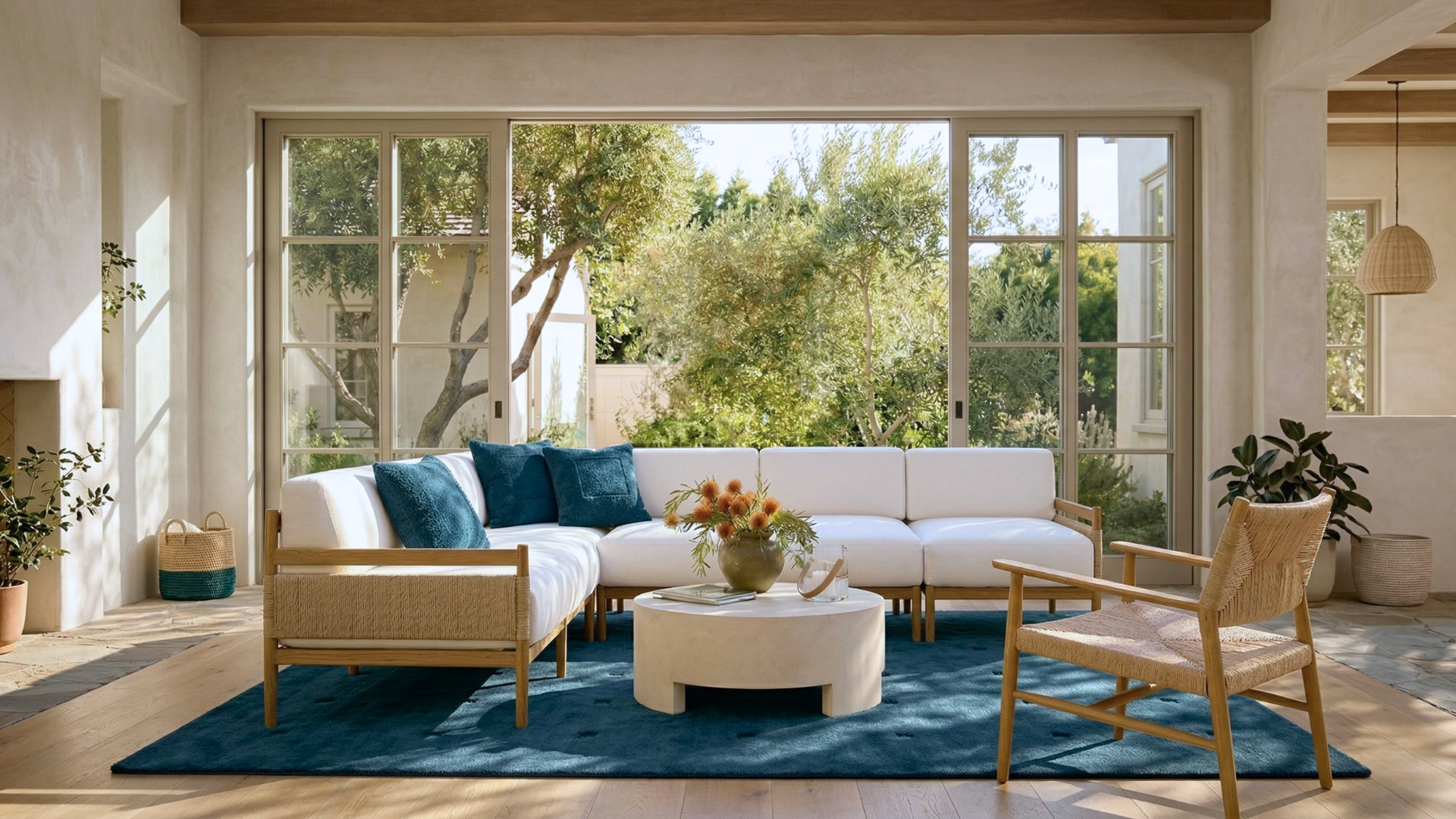
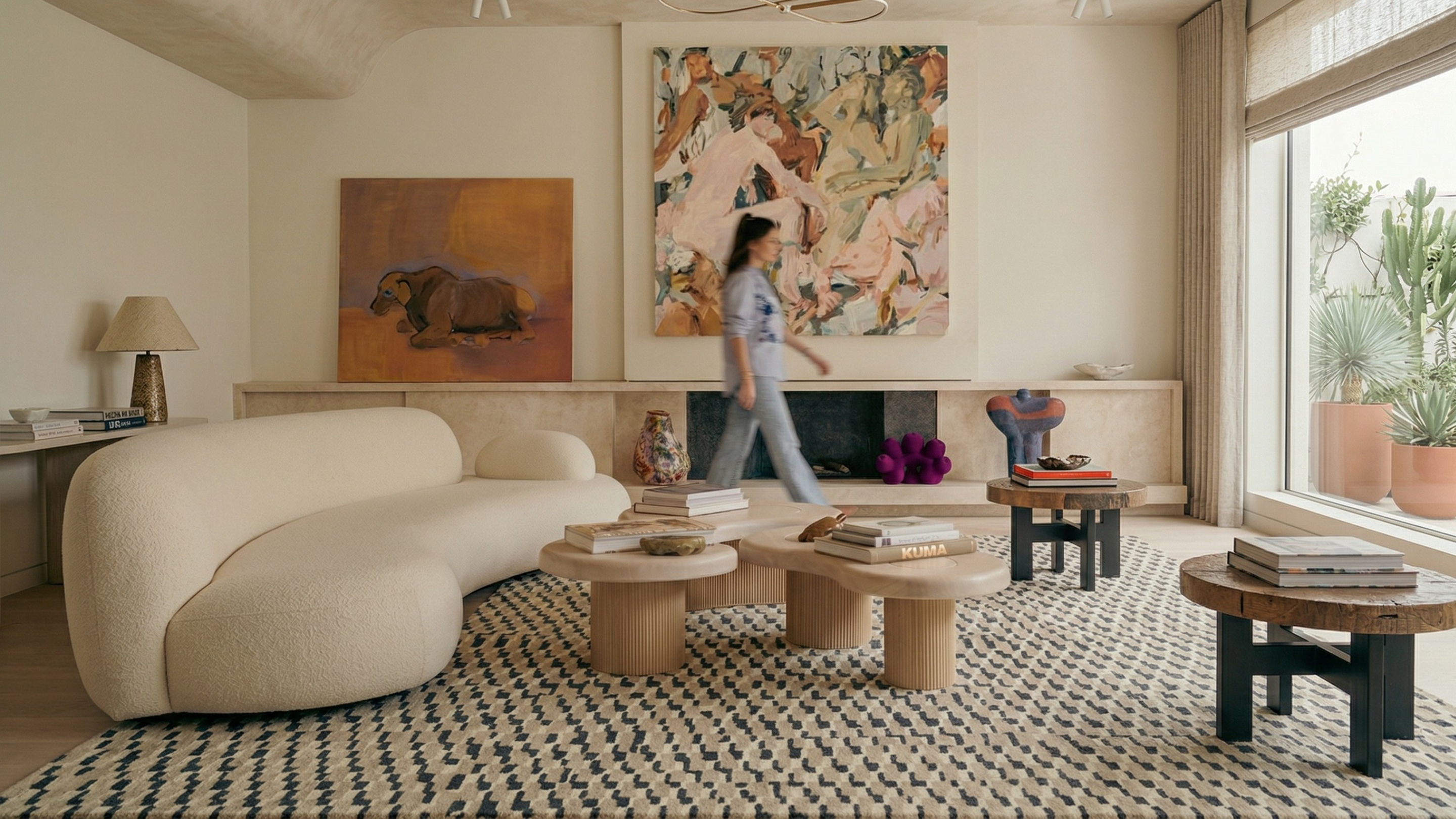
In a living room, dopamine decor does not feel overly planned or perfectly arranged. Instead, it feels comfortable, warm, and easy to live in. The space often looks layered, as if it came together slowly over time rather than all at once. Artwork may feel playful or personal, fabrics invite touch, and seating is arranged for real comfort instead of strict balance. The focus is on how the room feels during everyday moments, not on how it looks in photos.
Furniture placement in these spaces usually follows lifestyle rather than design rules. Sofas and chairs are positioned for conversation, relaxation, or quiet time. Decorative pieces are chosen because they spark happiness or memory, not because they match a theme. This makes the living room feel welcoming and authentic rather than formal or stiff.
Floor coverings play an important role in shaping this feeling. A light, gentle base such as an ivory rug can help open up the space and allow other elements like cushions, throws, or wall art to stand out naturally without visual heaviness. In other homes, a more textured option adds softness underfoot and gives the room depth, making it feel cozy and lived-in. These choices help the living room feel like a place people want to return to, not just a space meant to be seen.
Can Dopamine Decor Work in Small Apartments and Bedrooms?
Dopamine decor can work beautifully in small apartments and bedrooms when it is used with intention. In smaller spaces, the goal is not to add more, but to choose better. Instead of filling every corner with color, patterns, or decor, joy comes from a few well-chosen elements that truly matter. This approach keeps the space feeling open while still emotionally uplifting.
In compact apartments, texture becomes more important than bold visual statements. A flatweave rug for example, can add warmth and character to the room without making it feel crowded or heavy. It brings comfort underfoot while keeping the space visually light. In bedrooms, dopamine decor is usually softer and calmer. Since rest is the priority, gentle textures, warm lighting, and familiar objects help create a sense of ease and safety rather than excitement.
Even when space is limited, a home can still feel emotionally rich. Small details, meaningful items, and thoughtful choices can make an apartment or bedroom feel personal and comforting, proving that dopamine decor is not about size, but about how a space makes you feel.
How Do You Avoid Overdoing Dopamine Decor?
Avoiding excess is one of the most important parts of dopamine decor. While the goal is to create joyful spaces, adding too many strong elements at once can quickly become tiring. When everything is trying to stand out, the room can start to feel busy instead of comforting. Rather than lifting the mood, the space may feel noisy or overwhelming.
Balance helps prevent this from happening. Calm areas give both the eyes and the mind a place to rest. Keeping some walls simple, leaving open floor space, or using softer background tones allows joyful details to feel more meaningful. For example, a room might feature expressive artwork while the furniture and walls remain understated, or a bold accent can be balanced with gentle textures and quieter colors.
It’s also important to pay attention to how a space feels over time, not just on the first day. A room that feels exciting at first can start to feel heavy if there is too much visual activity. In those moments, simplifying or removing something often works better than adding more. Dopamine decor feels best when joy and calm exist together, creating spaces that feel uplifting without becoming exhausting.
Materials and Texture in Dopamine Decor
Materials quietly shape how a space feels the moment you enter it. Even when people don’t consciously notice them, textures and surfaces influence comfort, warmth, and emotional response. Dopamine decor leans toward materials that feel honest and natural, rather than overly polished or artificial. Fibers that can be felt, surfaces that invite touch, and finishes that soften over time help create spaces that feel emotionally safe and welcoming.
Rugs and textiles play an especially important role because they interact with the body every day. A hand knotted rug adds character through small variations that make it feel real and human, not factory-perfect. In other spaces, a wool rug naturally brings warmth and softness, making a room feel calmer and more grounded. These materials do not demand attention, but they quietly support relaxation and ease.
Texture is often what separates a space that looks styled from one that feels lived-in. When materials feel comfortable and familiar, the room becomes more than visually pleasing. It becomes a place where people want to sit, rest, and spend time, which is exactly what dopamine decor aims to achieve.
Color, Grounding, and Visual Warmth
Color in dopamine decor is never about following fixed rules or trends. It is deeply personal. What feels calming or joyful to one person may feel overwhelming to another, and that difference is completely valid. Some people feel uplifted by soft pastels that bring lightness and ease, while others feel more comfortable surrounded by deeper, richer tones that create a sense of security. Dopamine decor allows room for both, as long as the colors chosen feel emotionally right for the person living there.
Color also plays an important role in grounding a space. Deeper shades often help a room feel stable and settled, especially when life outside feels busy or uncertain. A brown rug, for example, can create a strong emotional base in a room, offering warmth and a feeling of safety. When balanced with lighter accents, natural textures, or sunlight, it adds comfort without making the space feel heavy or closed in.
The emotional impact of color always depends on context. Lighting, surrounding materials, and personal memories all shape how a color is experienced. This is why dopamine decor does not push specific palettes. Instead, it encourages people to choose colors that support how they want to feel in their own space, allowing warmth, grounding, and calm to exist naturally rather than being forced.
Size, Scale, and Emotional Proportion
Size and scale play a big role in how comfortable a space feels, even if people don’t immediately realize it. When something is too large for a room, it can feel heavy or overwhelming. When something is too small, it can feel lost and disconnected. Dopamine decor works best when elements feel balanced and in proportion to the space they sit in.
In living areas, scale helps create emotional comfort as much as visual balance. An 8x10 rug often works well because it grounds the seating area without taking over the room. It gives furniture a clear place to sit while still leaving open space around it, which helps the room feel relaxed and breathable. Nothing feels cramped, and nothing feels floating or unfinished.
Good proportion allows dopamine decor to feel intentional rather than random. When sizes are chosen thoughtfully, joyful elements feel settled and calm instead of chaotic. This balance helps the space support everyday life, making it easier to relax, move around, and enjoy the room without visual stress.
Summing Up
Dopamine decor is not about copying a style or following strict design rules. It is about creating spaces that reflect emotion, personality, and the realities of everyday life. In 2026, this approach feels especially meaningful because homes are no longer just places to rest. They are where people think, work, recover, and reconnect. Designing with emotion in mind allows a home to support all of these moments naturally.
When attention shifts from how a space looks to how it feels, design becomes more personal and more honest. Dopamine decor encourages people to trust their instincts and surround themselves with elements that bring comfort, happiness, or calm. When applied thoughtfully, it does not feel loud or overwhelming. Instead, it creates spaces that quietly uplift, offering a sense of ease and emotional balance day after day.
FAQs
What is dopamine decor?
Dopamine decor is a design approach that focuses on creating spaces that make you feel good emotionally. It prioritizes comfort, joy, and personal connection over strict design rules or visual perfection.
Why is dopamine decor trending in 2026?
Dopamine decor is trending in 2026 because homes now serve many purposes, including work, rest, and personal time. People want spaces that support mood, reduce stress, and feel emotionally comforting.
Is dopamine decor only about bright colors?
No. While color can play a role, dopamine decor is more about emotional response. Texture, materials, lighting, memories, and personal objects are just as important as color choices.
How is dopamine decor different from minimalism?
Minimalism focuses on simplicity and restraint, while dopamine decor focuses on emotional comfort and expression. Dopamine decor allows more personality and warmth while still valuing balance.
Can dopamine decor work in small homes or apartments?
Yes. Dopamine decor works well in small spaces when applied thoughtfully. Using a few meaningful elements instead of many bold ones helps maintain openness while adding emotional warmth.
What rooms are best suited for dopamine decor?
Dopamine decor can work in any room. Living rooms, bedrooms, and workspaces benefit the most because emotional comfort and mood play a big role in how these spaces are used daily.
How do you avoid overdoing dopamine decor?
Balance is key. Leaving calm areas, using neutral backdrops, and spacing out expressive elements helps prevent visual overload. If a space feels overwhelming, reducing elements often works better than adding more.
What materials are commonly used in dopamine decor?
Natural and tactile materials are common. Soft fabrics, textured surfaces, and materials that feel comfortable and age well help create a warm and emotionally supportive environment.
Does dopamine decor have to follow trends?
No. Dopamine decor is personal. It encourages choosing what feels right for you rather than copying trends or following fixed design rules.
How does dopamine decor support well-being?
By creating spaces that feel comforting and familiar, dopamine decor can help reduce stress, improve mood, and make everyday life at home feel more supportive.
About the author
Afzal Rub is an interior designer who graduated from Pearl Academy of Design with a degree in Textile Interior Design in 2016. He then began his career in New Delhi City by spearheading his own design firm decordec, which handles various high-end design projects in India and beyond. His work has been featured in celebrity homes and he is known for his characteristic of being a tastemaker in the carpet world.
In 2019, Afzal opened his own Decordec, a creative ecosystem for collaboration and development, focusing on experimentation, craftsmanship and technique. Here, artists come together to narrate tales of evolving aesthetics. Decordec is particularly known for its geometry, materiality, and simple aesthetic.
Furthermore, amid a global pandemic that has brought the entire world to a standstill, Afzal wanted to create a formalised body of change amongst designers and has been able to conceptualise and collaborate to launch.
In 2019, Afzal opened his own Decordec, a creative ecosystem for collaboration and development, focusing on experimentation, craftsmanship and technique. Here, artists come together to narrate tales of evolving aesthetics. Decordec is particularly known for its geometry, materiality, and simple aesthetic.
Furthermore, amid a global pandemic that has brought the entire world to a standstill, Afzal wanted to create a formalised body of change amongst designers and has been able to conceptualise and collaborate to launch.
written by Talha Ansari