Cart
0
How Light Behaves on Rug Materials: Wool vs Viscose vs Blends Explained
Light changes everything inside a home. It changes how you feel in a room, how large or small a space looks and how soft or sharp its surfaces appear. Most people notice these differences without understanding why they happen. What makes one rug look warm and rich while another looks bright and silky has less to do with color and far more to do with the material itself. Wool, viscose and blended fibers each interact with light differently, and once you understand how these surfaces behave, it becomes easier to choose a rug that fits both your home and the way you want it to feel.
This is not complex interior theory. It is simply learning how the floor reacts when sunlight pours through the window in the morning or when a warm bedside lamp is switched on at night. Some materials absorb this light gently. Others catch it and send it back with a smooth shine. Some balance the two and create a subtle glow that feels modern and calm. Each material brings its own personality forward, and the light simply reveals what is already there.
Wool and the Natural Softness of Light
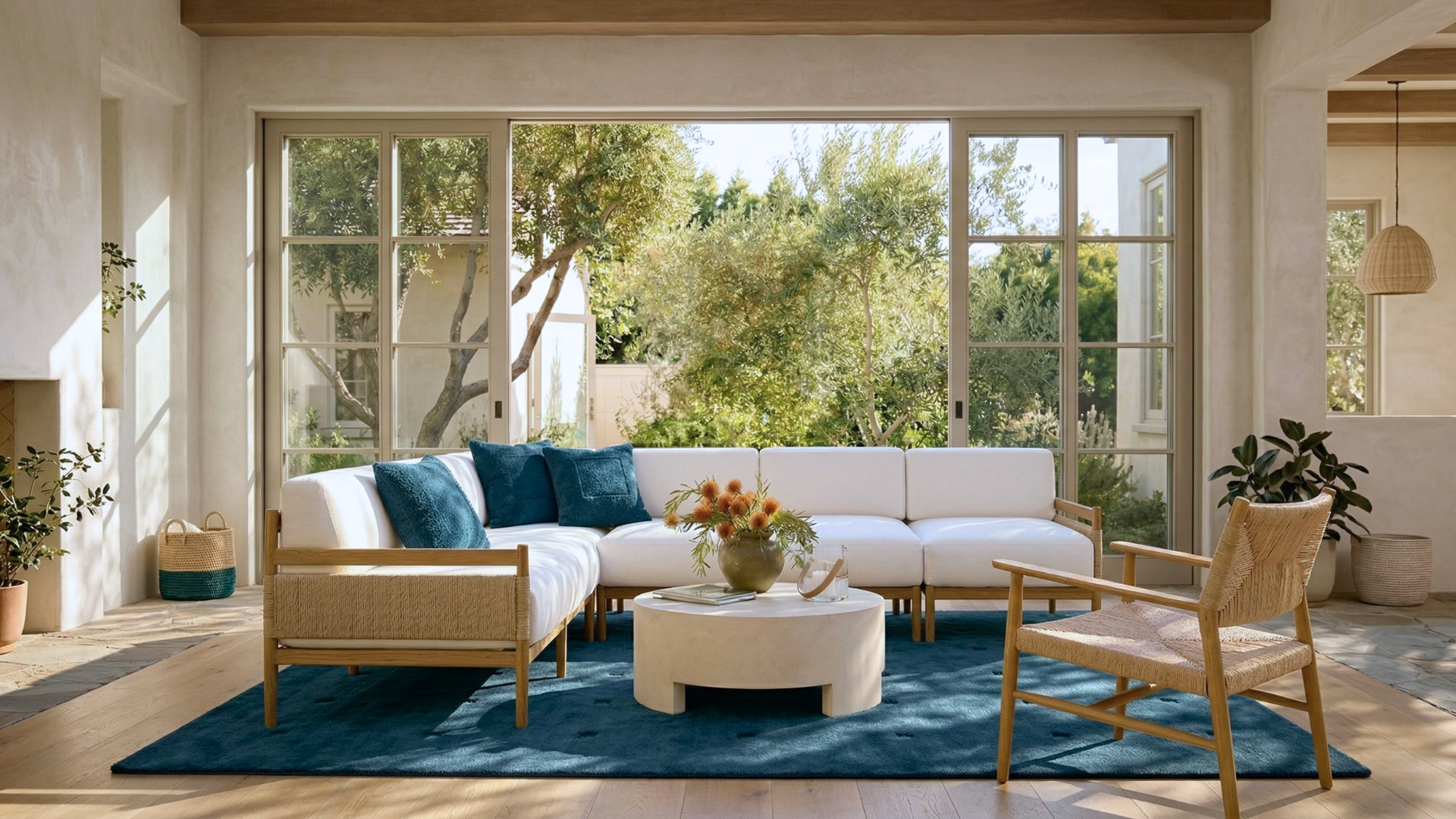
Wool has one of the most beautiful relationships with natural light. The surface of each wool fiber is slightly textured. It has bends, curves and tiny irregularities that scatter light softly. Instead of bouncing light back into the room with a strong reflection, wool diffuses it in multiple directions. This is why wool never appears harsh or glossy. It remains matte, grounded and warm, even on the brightest days. A wool rug feels calm because it never competes with the rest of the room. It settles quietly into the space and allows your eyes to rest. Morning light moves across wool in a gentle way. Shadows fall slowly, deepening the surface without creating sharp highlights. The rug looks rich and welcoming without drawing unwanted attention. In a living room with soft beige walls or light wooden floors, wool creates a sense of harmony and balance that suits almost any design style.

Wool also handles everyday life better than many other materials. Footprints blend into the texture. Small dust particles do not stand out. Rooms that stay busy throughout the day still look neat because wool does not exaggerate movement or marks. This quality becomes even more apparent in hand tufted rugs, where the wool surface feels thicker, fuller and more textured under natural daylight. Some homes look instantly warmer simply because the floor absorbs light instead of reflecting it. Wool achieves this effect effortlessly.
Viscose and the Beauty of Light That Moves
Viscose feels completely different the moment light touches it. The surface of viscose fibers is smooth, almost glassy. When light reaches this surface, it bounces back directly, creating a bright, silky reflection that shifts with every step you take. This is the shine viscose is known for. It is elegant, glamorous and always slightly unpredictable, which makes it popular in modern interiors that want a soft sense of luxury. Viscose reacts strongly to both natural and artificial light. During the day it can appear almost luminous, especially when the sun enters from a side window. In some moments the rug looks bright and reflective. In others it becomes deeper and more shadowed, depending entirely on the viewing angle. This shifting character gives viscose a sense of life. The rug seems to move gently as the light changes direction, giving the room a dynamic feel.
Even small lamps make a difference. Warm bulbs bring a golden glow to viscose. Cool white bulbs make it appear silver. Overhead lighting creates clean lines of reflection across the surface. Every fiber responds to each type of light differently, and that is what makes viscose so visually engaging. This beauty comes with a little personality. Because the fibers change direction easily, footprints and vacuum lines appear more clearly. Some homeowners love this effect because it adds character. Others prefer a more settled, steady appearance. It comes down to preference and the atmosphere you want your space to have. Viscose gives a room a sense of polish without trying too hard. It makes simple furniture look elevated and adds light to corners that normally feel dull. When used carefully, viscose becomes the highlight of the entire room.

Blends and the Perfect Middle Ground
Blended rugs bring the best qualities of wool and viscose together. Wool softens light. Viscose reflects it. When both fibers are combined, the rug gains a balanced glow that feels luxurious but never loud. This soft brightness makes blended materials ideal for rooms that need a warm, elegant base without the dramatic shine of pure viscose.
In blended rugs, the wool helps tone down the reflection. The viscose adds a gentle sheen that only appears in certain angles. When sunlight passes over a blended rug, the surface catches just enough light to create interest without overwhelming the space. This makes blended materials extremely versatile. They work in bright living rooms, cozy bedrooms and even open spaces where different lighting conditions exist in the same area.
Blended materials also photograph beautifully, which is why interior stylists love them for editorials and features. The fibers create small highlights that add depth to the photo without creating harsh glare. Homes with neutral color palettes look especially refined because the texture adds layers to the floor.
A single natural mention here: hand knotted rugs made in blended fibers develop a rich play of light because every knot sits differently and responds to the light in its own subtle way. Blended rugs are often the safest choice for people who want a mix of comfort and modern elegance, especially in homes where you want a hint of shine but not the full gloss of viscose.
How Daylight Changes These Materials
Natural light shifts throughout the day, and each material responds differently. Morning light is cool and gentle. This light makes wool look textured and cozy. Viscose gains a soft silver tone. Blended rugs take on a mild glow that feels fresh and clean. Rooms with large windows look especially inviting during this time because the clarity of morning light creates a calm, open atmosphere.
As the sun rises higher, daylight becomes warmer. Colors deepen, shadows shorten and the surfaces of rugs begin to show more character. Wool absorbs the warmth beautifully and appears richer. Viscose becomes more expressive as the shine turns golden. Blended rugs adapt easily and maintain a balanced look without dramatic changes. This is the time of day when textures appear with the most definition. Evening lighting depends entirely on the bulbs you use. Warm lighting creates deeper tones in wool and brings a golden shine to viscose. Cool lighting makes blends feel modern and clean. Wool stays stable regardless of the lighting temperature, which is why it remains a favorite in homes that use mixed lighting sources.

The Visual Softness You Can See Without Touching
A rug does not need to be touched to feel soft. You can often see the softness from across the room. Wool gives off a visual warmth that immediately makes a room feel comfortable. It looks plush and grounded. Viscose gives a silky softness, the kind you can see before your feet ever touch the surface. Blends create a quiet softness that fits well in modern living rooms, creating comfort without overpowering other elements.
Texture plays a major role in how we understand softness. When fibers catch light in small variations, the rug surface looks more inviting. This effect becomes even more special in handmade rugs because each fiber lies slightly differently and interacts with the light in its own way. These subtle shifts add character and depth that machine-made materials cannot replicate.
Choosing the Right Material for Your Home
Every home has its own lighting pattern. Some rooms stay bright all day. Others receive side light only in the mornings. Some spaces depend entirely on lamps. When you understand how rug materials behave under different kinds of light, choosing the right rug becomes much easier.
If your room needs warmth, grounding and natural softness, wool will always feel right. If you want elegance, a touch of shine and a luxurious feel, viscose fits beautifully. If you prefer something balanced that adapts easily to all types of light, blended rugs offer the perfect middle ground.
One natural keyword here: designer rugs in neutral tones show these light interactions more clearly because neutral shades carry light gently across the surface. Homes that prefer layered textures also appreciate this behavior because the floor becomes part of the overall story of the room.
Luxury rugs known for refined textures and soft surfaces often use these materials intentionally, shaping the mood inside the home through the way they respond to light. When you understand these differences, you choose not only the right rug for your floor but the right atmosphere for your life at home.
Light reflection becomes even more critical when rugs are used in darker interiors. Materials like wool absorb light softly, helping balance black walls and deep-toned furniture without creating glare or visual heaviness. This is especially relevant when styling contemporary spaces with bold palettes, where material choice directly impacts how the room feels throughout the day. For a deeper look at pairing rugs with dark interiors, explore our guide on rugs that balance dark spaces.
FAQs_
1. Why do wool, viscose and blended rugs look different under the same light?
Because each fiber interacts with light in its own way. Wool scatters light softly, viscose reflects it sharply, and blended rugs balance both behaviors. These differences make each material appear unique depending on the time of day and lighting conditions.
2. Which rug material stays the most consistent throughout the day?
Wool remains the most stable because it absorbs light instead of reflecting it. Its color and texture look similar in morning daylight, afternoon sun and evening artificial light, making it ideal for rooms where you want visual consistency.
3. Are viscose rugs suitable for rooms with strong sunlight?
They can be, but viscose is highly reflective, so it will show more shine and variation in tone. If you like a soft, silky glow that changes with angle and light, viscose works beautifully. If you want a calmer surface, choose wool or a wool-viscose blend.
4. What material is best if I want a rug that feels luxurious but still practical ?
Wool-viscose blends are often the best compromise. You get a subtle sheen without overwhelming reflections and enough durability for everyday use. These blends also adapt well to mixed lighting setups.
5. Why do footprints or vacuum marks appear more on certain rugs ?
This happens mostly on viscose because its smooth fibers reflect light differently when the pile direction changes. Wool rugs, with their textured and matte surfaces, hide movement marks much better.
6. Which rug type works best in neutral, modern interiors ?
Neutral, modern spaces look great with wool rugs for a soft, grounded feel or with blends for a refined glow. If the goal is to bring quiet luxury into the room, viscose can also elevate the space with its gentle shine.
About the author
Afzal Rub is an interior designer who graduated from Pearl Academy of Design with a degree in Textile Interior Design in 2016. He then began his career in New Delhi City by spearheading his own design firm decordec, which handles various high-end design projects in India and beyond. His work has been featured in celebrity homes and he is known for his characteristic of being a tastemaker in the carpet world.
In 2019, Afzal opened his own Decordec, a creative ecosystem for collaboration and development, focusing on experimentation, craftsmanship and technique. Here, artists come together to narrate tales of evolving aesthetics. Decordec is particularly known for its geometry, materiality, and simple aesthetic.
Furthermore, amid a global pandemic that has brought the entire world to a standstill, Afzal wanted to create a formalised body of change amongst designers and has been able to conceptualise and collaborate to launch.
In 2019, Afzal opened his own Decordec, a creative ecosystem for collaboration and development, focusing on experimentation, craftsmanship and technique. Here, artists come together to narrate tales of evolving aesthetics. Decordec is particularly known for its geometry, materiality, and simple aesthetic.
Furthermore, amid a global pandemic that has brought the entire world to a standstill, Afzal wanted to create a formalised body of change amongst designers and has been able to conceptualise and collaborate to launch.
written by Talha Ansari