Cart
0
The Architecture of Neutral Rooms: Why Soft Floors Change How You Feel
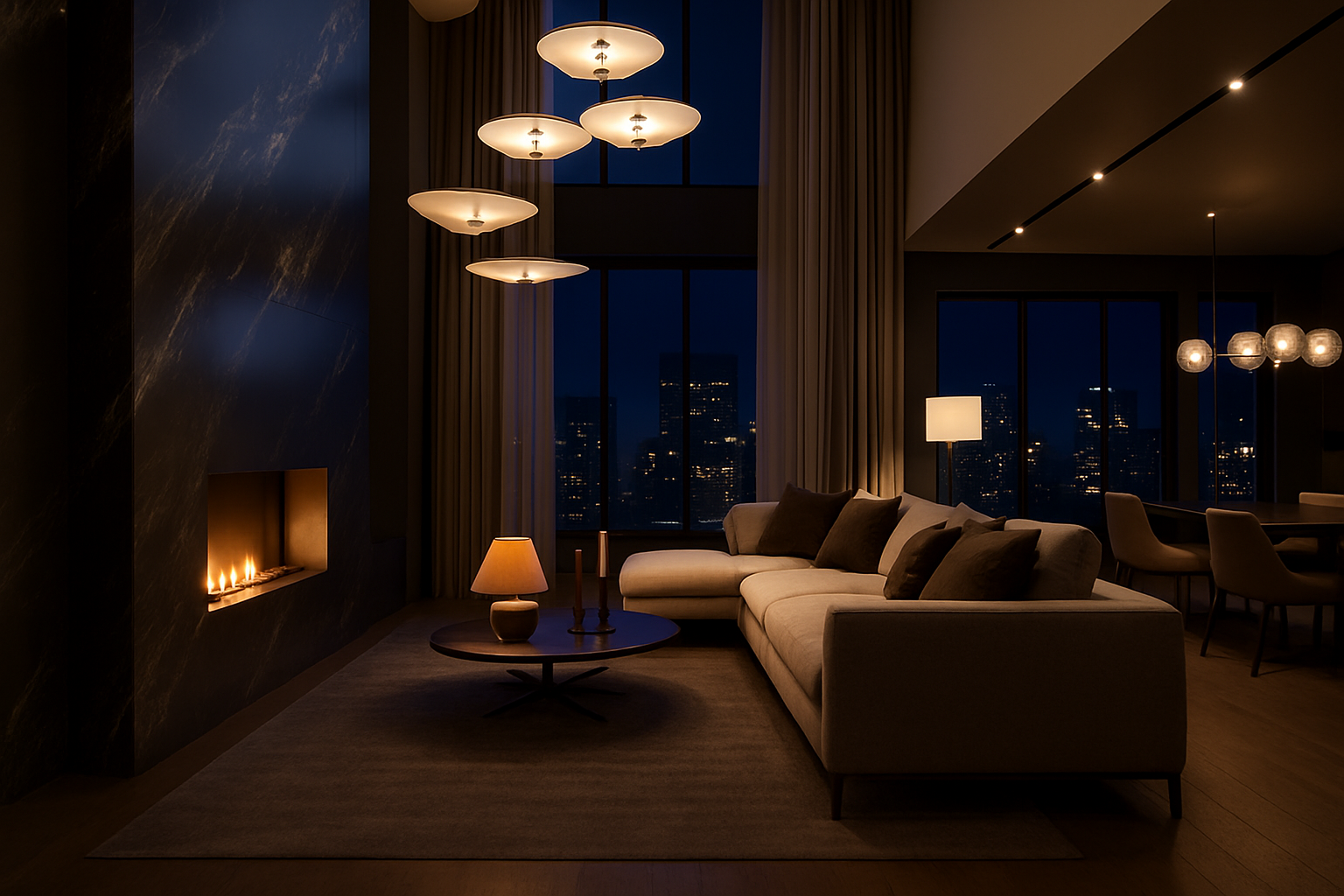
Neutral interiors are entering a new phase, and it has very little to do with trends or color preference. People are not choosing beige, cream, or soft tones because minimalism is fashionable again. The change is happening because homes are being used differently. Living spaces are no longer just places to sleep, entertain, or display personal style. They are becoming environments that support how people feel on a daily basis.
Homes today carry emotional responsibility. They help people recover from long workdays, slow their thoughts, and regain focus. In a world that constantly demands attention, people are looking for interiors that reduce pressure instead of adding to it. Neutral rooms respond to this need by creating visual quiet. They remove unnecessary stimulation and allow the mind to rest.
When everything outside feels fast, loud, and crowded, people want rooms that move slowly. Spaces that feel open, calm, and balanced. Rooms that feel clear rather than busy. A well-designed neutral interior does not feel empty or unfinished. It feels considered and grounding, like taking a deep breath after noise. That sense of calm is what makes neutral spaces feel meaningful today, not the color itself, but the emotional relief they provide.

Designers across the world have discovered that neutrality achieves this better than anything else. A neutral room is not defined by colour absence. It is defined by sensory regulation. It reduces visual intensity so the mind can breathe. It balances contrasts so the eye feels rested. It calms the body through tone, proportion and texture. In this behavioral ecosystem, soft floors play a foundational role. Without softness underfoot, neutrality can feel cold or conceptually incomplete. With softness, the entire atmosphere becomes emotionally charged in a positive way.
Soft flooring is the first thing the body registers when entering a space. It changes posture, slows movement, reduces tension and shapes emotional response. It anchors the room so the person feels held. It mediates temperature and light. It absorbs sound. It delivers a sense of belonging. Rugs are not decorative extras. They are emotional infrastructure.
This is especially true when rugs are crafted with care. A surface that carries the depth of the hand knotted rugs, the structured comfort seen in hand tufted rugs or the artisanal softness of handmade rugs delivers a psychological experience that manufactured flooring cannot imitate. Human hands create human warmth.
This is where the emotional architecture of neutral rooms becomes a powerful design philosophy. To understand it deeply, we need to explore the science of calm spaces, the aesthetic purpose of neutral palettes and the sensory intelligence that soft floors bring into a room.
Neutral spaces affect people differently because the human brain reacts to low-stimulation environments in a unique way. When colour sits quietly in the background, the mind has fewer signals to process. There is less visual noise competing for attention. This reduces mental fatigue and allows the nervous system to settle. Instead of being pulled in multiple directions, the brain experiences a sense of openness and ease. Neutral rooms offer emotional breathing room rather than asking to be constantly noticed.
Neutrality is often mistaken for being plain or empty, but well-designed neutral spaces are far from flat. They are built on depth rather than colour intensity. Texture, shadow, mineral tones, and layered surfaces take the place of bold pigments. Light behaves differently in these environments. It feels softer because there are no sharp colours reflecting it back aggressively. Proportions feel more balanced because the eye is not interrupted by strong contrasts.
As a result, people begin to notice smaller, quieter details. The way sunlight moves across the floor during the day. The gentle variation in fabric or surface texture. Subtle shifts in tone that would go unnoticed in a busy, colorful room. Neutral spaces encourage this kind of slow observation. They allow the environment to feel calm, grounded, and emotionally supportive, creating rooms that are easier to live in over time.

Research in environmental psychology shows that low-stimulus spaces activate the brain’s restorative pathways. These are the same pathways triggered when someone looks at water, open fields or calm landscapes. Neutral rooms mimic this gentleness. They provide recovery from overstimulation, which is increasingly important in digital-heavy lifestyles.
Why Soft Floors Act as Emotional Anchors
Soft flooring changes the way a person interacts with a room physically and emotionally. The moment your foot lands on a cushion of fibers, the body relaxes. Muscles release tension. Shoulders lower. Even the way you distribute weight shifts. A soft floor creates a sense of safety that hard surfaces cannot reproduce.
Temperature also contributes to emotional experience. Hard flooring often feels cool and distant. Rugs build thermal softness. They hold warmth gently, which the body interprets as security. Even in warm climates, this sense of warmth is psychological rather than physical. It is the warmth of softness, not heat.
Sound is another factor. Hard floors amplify footsteps, cutlery, movement and echoes. That creates an energetic room. Soft floors absorb sound, creating acoustic calm. This makes conversations easier. It makes the room feel intimate. It encourages slower movement and more connection.
A rug also defines spatial intention. It determines where the body gathers, where it rests, where it transitions. A sofa cluster on a rug becomes a social zone. A corner with a rug becomes a reading area. A bedroom with a rug feels complete, not because it is decorated, but because the body can recognize where comfort begins.
Every layer of softness underfoot contributes to emotional grounding. This is what transforms neutral interiors from visually calm to psychologically healing.
Yet neutrality without softness can create emotional distance. A neutral room built solely on stone, concrete, metal or glossy surfaces might feel cold or disconnected from human touch. This is why soft floors are essential. They bridge the emotional gap between visual calm and physical comfort.
How Rugs Shape the Emotional Flow Inside Neutral Homes
A rug in a neutral interior does more than tie colours together. It shapes the emotional architecture of the entire environment. This influence comes from texture, pattern behavior, weave density, reflectivity, fiber type and material weight.
When the palette is quiet, texture becomes the main communicator. A rug is the largest textile surface in most rooms. Its emotional impact is unmatched. Here is how rugs transform neutral rooms into emotionally intelligent spaces.
Hard surfaces create sharpness. Light moves quickly across them. Edges become more pronounced. Neutral rooms without a rug may look peaceful but feel visually fast. The eye does not rest, especially when flooring and walls reflect light without interruption.
A rug slows visual movement. Fibers diffuse light. Pile absorbs brightness. Subtle shading creates depth. This slower visual rhythm helps the mind settle and reduces internal noise. Ivory rugs are particularly effective in neutral interiors because they soften contrast while reflecting light gently, creating continuity rather than glare.
Rectangular rugs further support this calming effect by reinforcing architectural order. Their shape aligns with furniture layouts and room proportions, allowing the eye to move in a controlled, predictable way. Together, thoughtful rug color and shape regulate visual pace and bring emotional balance to minimal spaces.
Designers often say that rugs are the stabilizers of minimal rooms. They regulate the pace of how a space feels, turning visual quiet into emotional calm.

Rugs add emotional warmth
Texture holds emotional memory. Humans instinctively respond to softness. A rug introduces warmth even if the temperature of the room does not change. It encourages people to sit on the floor, lie down, stretch, or rest their feet. This behavioral change is emotional communication. The room signals that it is safe, relaxed and welcoming.
Neutral homes without rugs often feel architecturally impressive but emotionally flat. Add a rug and the atmosphere changes instantly.
Rugs increase the sense of physical safety
A soft floor is perceived as less risky and more comforting. It subconsciously encourages slower movement and reduces anxiety, especially for children and older adults. A rug provides friction, protection and balance. Even emotionally, safety is communicated through softness. A hard floor may be functional. A soft floor feels human.
Bedrooms, nurseries, studios and meditation rooms rely heavily on this psychological cue.
Rugs support emotional zoning inside open layouts
Many modern homes use open layouts. Without zoning, these spaces can feel large and directionless. A rug acts as a silent space organizer. It defines where activities happen. It shapes how people move. It clarifies purpose without structural walls.
In a neutral scheme, this zoning is even more powerful because the rug becomes the emotional signature of each zone.
Material Psychology: How Rug Fibers Influence Mood
Every rug material carries its own emotional language. Designers understand this deeply because the fiber determines not just function but feeling.
Wool creates grounded emotional stability
Wool has natural elasticity, warmth and softness. It feels substantial without heaviness. A wool rug adds grounded comfort to a neutral room. It stabilizes the environment and creates a sense of rootedness. This is why wool is often chosen for family rooms, lounges and bedrooms where emotional warmth is needed.
Bamboo silk offers reflective calm
Bamboo silk has a gentle sheen that reacts beautifully to light. It adds fluidity to neutral spaces. Instead of flatness, it introduces soft reflection that changes with the time of day. This creates a meditative quality. The mood becomes smoother and more serene.
Jute brings organic honesty
Jute connects a room to nature. Its texture is earthy and familiar. It adds rustic elegance without formality. Neutral rooms with jute rugs feel approachable and relaxed. The emotional tone becomes humble and natural.
Cotton brings breathable simplicity
Cotton is light, flexible and uncomplicated. It suits spaces where casual comfort matters. It supports movement and everyday living. Cotton rugs work well in entryways, kitchens, informal living corners and small apartments.
How Rug Colour Shapes Emotional Experience in Neutral Interiors
Even within a neutral palette, colour meaning is powerful. The rug colour determines emotional temperature, brightness, depth and the room’s overall energy.
Cream expands calmness
A cream rug opens up the space by reflecting light softly. It adds gentle warmth. It makes the room feel bigger and more peaceful. This colour is ideal for bedrooms, minimal living rooms and spaces that rely on morning light.
Beige offers restorative warmth
Beige feels like a natural exhale. It adds quiet depth to a neutral interior. It carries warmth without dominance. The ivory rugs is the emotional stabilizer of the living room. It suits homes that want comfort layered with refinement.
Taupe introduces balanced sophistication
Taupe blends warm and cool tones. This balance creates emotional steadiness. It is neither too lively nor too heavy. Taupe rugs work well in multifunctional homes where the same room needs to support work, rest and interaction.
Grey creates structure and clarity
A grey rug helps define lines, layouts and proportions. It strengthens architectural geometry. It brings cognitive clarity. Grey is ideal for study rooms, workspaces and modern minimalist homes. It directs mental focus without visual pressure.
Soft brown fosters deep grounding
Brown is psychologically connected to earth and stability. A muted brown rug adds depth to neutral rooms. It feels natural, comforting and warm. This colour works well in dens, reading corners and lounges where emotional stillness is desired.
Room by Room: How Rugs Shape the Emotional Flow of a Home
A rug does not just affect one room. It influences the emotional journey of the entire home. The way a person moves from one space to another is shaped by how softness guides their senses.
Entryway: Emotional reset
A rug at the entrance marks the transition between the intensity of the outside world and the calm of the home. It introduces softness at the threshold. It signals safety and comfort.
Living room: Social grounding
The living room is the emotional center of most homes. It is where people gather, talk, rest, and spend time together. Living room rugs play an important role in shaping how this space feels. By anchoring the seating area, they clearly define the conversation zone and make the room feel organized rather than scattered.
Living room rugs also soften sound, reducing echo from hard floors and walls. This makes voices feel warmer and conversations more comfortable. The added softness underfoot encourages people to sit longer, move less, and relax more easily. When a rug is placed thoughtfully, the living room feels inviting and connected, encouraging families and guests to sit closer, unwind together, and truly use the space instead of just passing through.
Bedroom: Sanctuary environment
A rug in the bedroom affects your first and last step of the day. Softness before sleep helps calm the nervous system, while softness after waking makes the transition into the day feel gentler. Bedroom rug adds this layer of comfort quietly, creating a sense of grounding that goes beyond visual design. With the right texture underfoot, the bedroom begins to feel like a personal retreat rather than just a place to sleep. It becomes a sanctuary shaped by ease, warmth, and emotional comfort.
Dining area: Emotional connection
Rugs make dining areas feel more welcoming and settled. They soften the acoustics of conversations, reducing sharp sounds and creating a more relaxed atmosphere during meals. The dining room rug adds warmth beneath the table, encouraging people to linger, talk, and enjoy the moment. Instead of feeling functional or rushed, dining becomes an experience shaped by comfort, connection, and shared presence.
Workspace: Cognitive stability
A rug in a workspace improves focus. It absorbs minor noises. It gives structure to the layout. It supports mental clarity. The environment feels more organized, which directly improves productivity.
FAQs
1. Why do neutral rooms feel calmer than colorful interiors?
Neutral rooms reduce visual noise, which allows the mind to slow down naturally. With fewer contrasting colours and patterns competing for attention, your brain processes the environment more gently. This creates a sense of clarity, mental spaciousness and emotional ease, making neutral interiors feel calmer and more restorative.
2. How does a rug influence the mood of a neutral room?
A rug introduces softness, warmth and texture, which are essential for shaping the emotional tone of a space. Soft flooring supports comfort underfoot, improves acoustics and adds depth to the visual layout. Even subtle textures can shift the room from looking minimal to feeling genuinely comforting.
3. What type of rug colour works best in neutral interiors?
The best colours depend on the emotional outcome you want. Cream opens up a space and enhances brightness. Beige creates a warm, cozy atmosphere. Grey adds structure and clarity. Taupe balances warmth and coolness, making it ideal for multifunctional rooms. Soft brown deepens grounding and makes the space feel anchored.
4. Can rugs help define spaces in open-plan homes?
Yes. Rugs are one of the most effective tools for zoning open layouts. By placing a rug under seating, dining or work areas, you naturally guide movement and behavior without adding walls. This visual and emotional zoning makes large spaces feel organized and intentional.
5. Do different rug materials change the emotional feel of a room?
Absolutely. Each material carries its own sensory character. Wool feels grounded and stable. Bamboo silk adds reflective calm. Jute brings organic warmth. Cotton introduces light, casual comfort. Choosing the right material enhances how the room behaves emotionally and visually.
6. Why are soft floors important in bedrooms and living rooms?
These rooms rely on comfort and emotional warmth more than any other area of the home. Soft flooring allows your first and last steps of the day to feel gentle. It encourages relaxation, reduces noise, and makes the room feel more nurturing. In living rooms, soft floors support conversation, connection and ease.
About the author
Afzal Rub is an interior designer who graduated from Pearl Academy of Design with a degree in Textile Interior Design in 2016. He then began his career in New Delhi City by spearheading his own design firm decordec, which handles various high-end design projects in India and beyond. His work has been featured in celebrity homes and he is known for his characteristic of being a tastemaker in the carpet world.
In 2019, Afzal opened his own Decordec, a creative ecosystem for collaboration and development, focusing on experimentation, craftsmanship and technique. Here, artists come together to narrate tales of evolving aesthetics. Decordec is particularly known for its geometry, materiality, and simple aesthetic.
Furthermore, amid a global pandemic that has brought the entire world to a standstill, Afzal wanted to create a formalised body of change amongst designers and has been able to conceptualise and collaborate to launch.
In 2019, Afzal opened his own Decordec, a creative ecosystem for collaboration and development, focusing on experimentation, craftsmanship and technique. Here, artists come together to narrate tales of evolving aesthetics. Decordec is particularly known for its geometry, materiality, and simple aesthetic.
Furthermore, amid a global pandemic that has brought the entire world to a standstill, Afzal wanted to create a formalised body of change amongst designers and has been able to conceptualise and collaborate to launch.
written by Talha Ansari