Cart
0
The Psychology of Soft Tones: Why Beige and Cream Rugs Are Dominating Modern Homes
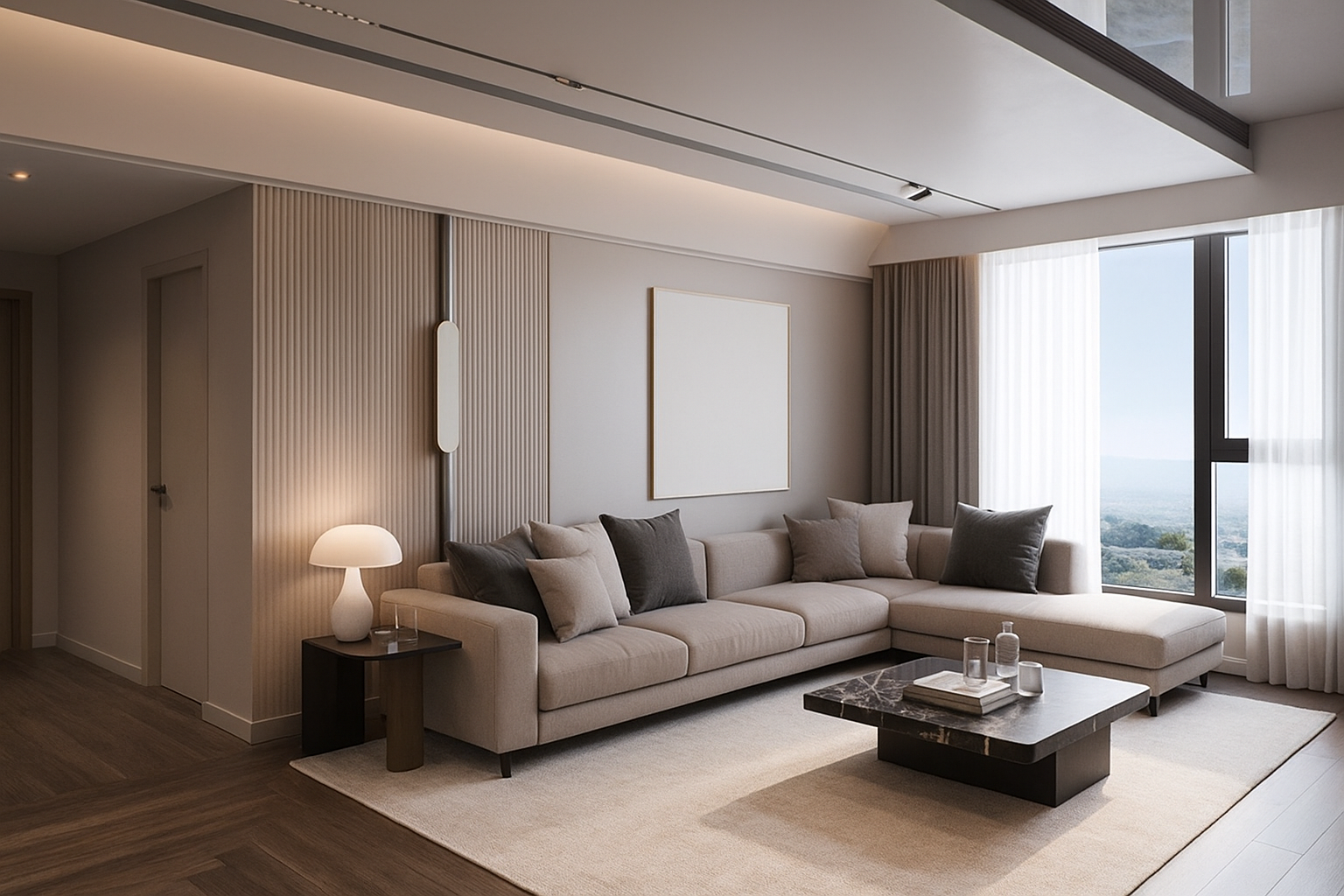
Beige and cream rugs dominate modern homes because they create visual calm, enhance natural light, and complement minimalist, Scandinavian, and Japandi interiors. These soft neutral area rugs combine emotional comfort with long-term styling flexibility, making them a defining element of contemporary design

Soft Tones and the New Direction of Modern Interiors
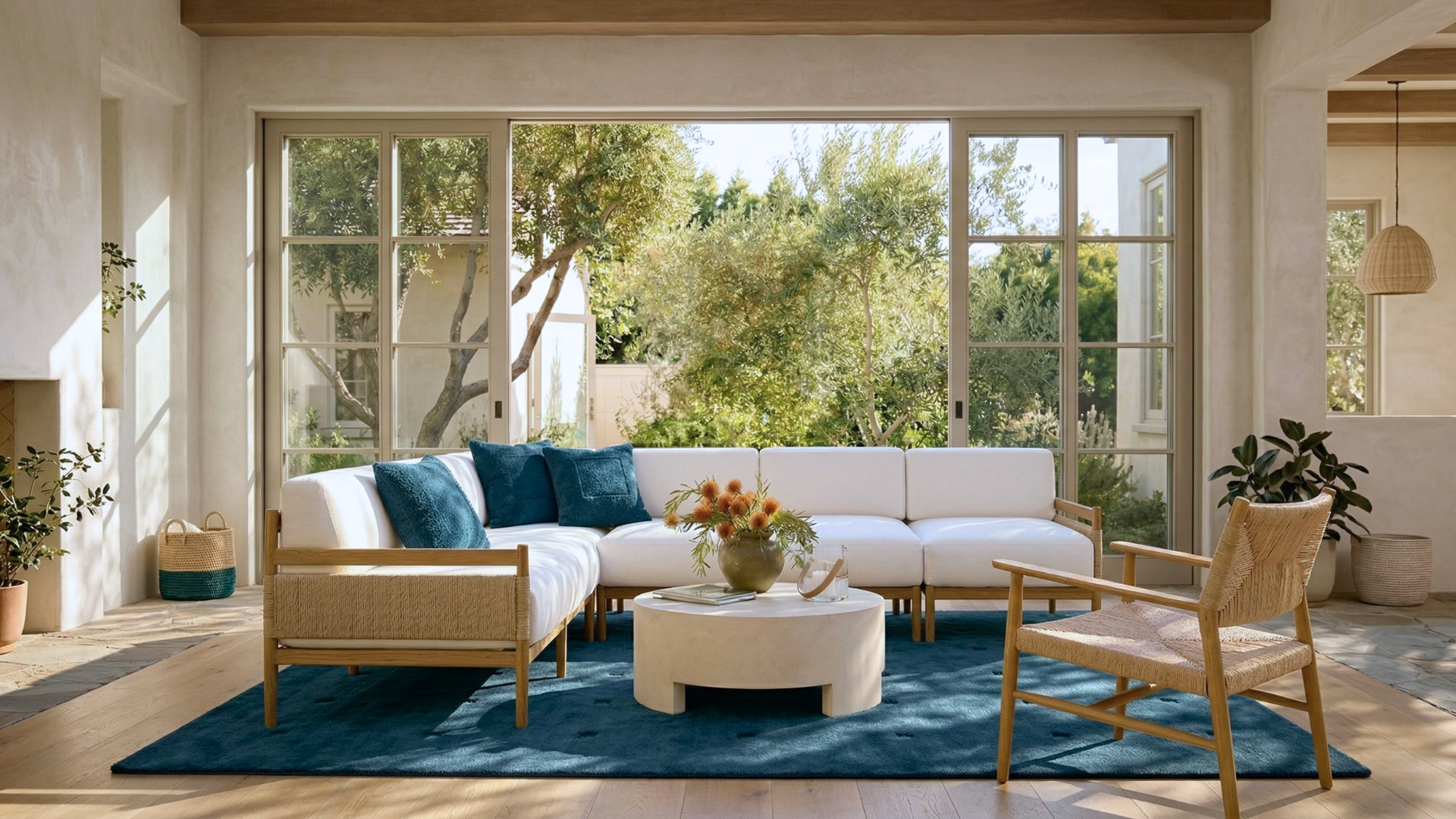
Soft tones are quietly reshaping how modern homes look and feel. Beige and cream have stepped forward as the foundation of contemporary design, not because they force a style, but because they allow a space to breathe. When these tones sit on the floor as rugs, they become anchors that calm the surrounding environment. The room feels lighter within seconds, even if the reason isn’t immediately clear. Modern interiors are no longer about showpieces. They are about emotional comfort, and beige and cream support this shift effortlessly.
Some people choose these tones because they see them everywhere, but most choose them because they instinctively bring clarity. Life today feels rushed, information-heavy, bright, and overstimulating. Home needs to feel like the opposite. That is where soft neutrals excel. They settle visual noise and create an atmosphere where the mind slows down without effort.
How Beige and Cream Influence Emotional Well-Being
Color psychology has always influenced interior design, but it has never been more relevant than now. Beige encourages grounding. Cream promotes softness and comfort. These tones help lower emotional tension and allow a space to feel welcoming in ways bright colors rarely achieve.
The Ivory rug in a bedroom creates a sense of quiet mornings before the world starts moving. A beige rug in a busy living room helps the area feel steady. These tones behave like emotional regulators. They do not demand attention or overwhelm the senses. Instead, they ease the atmosphere and make the room feel more composed.

Why Homeowners Naturally Choose Neutral Rugs
People choose beige and cream rug because they solve practical and emotional problems at the same time. They work with warm furniture, cool furniture, modern lines, rustic textures, everything. They don’t limit your décor choices. They expand them.
Another reason is trust. A soft neutral rug never goes out of style. You can change a sofa, repaint the walls, add new décor, and the rug still works. Homeowners love this flexibility. They want pieces that carry them through multiple phases of life and still feel relevant.

The Light Reflection Advantage in Everyday Spaces
There is something magical about how beige and cream interact with natural light. These tones reflect light gently instead of absorbing it. As sunlight spreads across a cream rug, the room starts feeling more open. Beige warms the light, giving spaces a soft glow that feels inviting.
This is especially powerful in small homes. A small room with a dark rug shrinks. A small room with a cream rug expands. Visual space matters just as much as physical space, and these tones make a room feel larger even when nothing else changes.
Minimalist, Scandinavian and Japandi Homes Prefer Soft Neutrals
Minimalist homes rely on restrained palettes. Scandinavian interiors pair light colors with tactile comfort, while Japandi blends structure with a softer visual approach. All three styles lean on beige and cream because these tones maintain continuity rather than disrupting the space.
A soft-toned rug allows furniture to stand out without competing for attention. It enhances texture and brings clarity to the layout, helping the room feel more intentional. These neutrals continue to shape modern interiors because they make simplicity feel inviting rather than sparse.

Understanding Undertones in Beige and Cream
Beige and cream become even more interesting when you start noticing their undertones. Beige can carry sandy, brown, greige or warm natural notes. Cream can lean ivory, pale butter, cool white or soft gold. These undertones shape the atmosphere of a room far more than people realize.
A warm beige rug or a soft brown rug makes evenings feel grounding and comforting, adding an anchored tone to the space. A cool cream rug brightens mornings with a clean lift. Undertones influence mood quietly, and that subtle nuance is one of the reasons these colors create such a strong emotional response in interiors.
How to Choose the Right Beige or Cream Rug for Your Space
Choosing between beige and cream is not about which color looks better in isolation. It is about how the tone interacts with light, space, and daily use. The first factor to consider is natural light. Rooms that receive abundant daylight can handle warmer beige tones without feeling heavy. Beige absorbs and softens light, creating a grounded, cozy atmosphere that works especially well in living rooms and family spaces. In contrast, rooms with limited sunlight benefit more from cream, which reflects light gently and helps the space feel brighter and more open.
Room size also plays a role. In compact spaces, cream rugs visually expand the floor area and blur boundaries, making the room feel larger than it actually is. Beige works beautifully in larger rooms where you want to anchor furniture and create a sense of stability without introducing dark colors. In open-plan layouts, beige and cream can be used strategically to maintain visual continuity while still defining zones.
Undertones matter more than most people expect. A warm beige with subtle brown or sandy notes pairs naturally with wooden floors, earthy furniture, and warm lighting. A cooler cream with ivory or soft white undertones complements stone floors, grey palettes, and minimalist interiors. Taking a moment to observe wall color, flooring, and lighting temperature helps prevent mismatched tones.
A simple but important step is to evaluate rug tones in natural daylight whenever possible. Artificial lighting can distort subtle shades, making them appear different than expected. Seeing the rug in daylight helps ensure the color remains consistent and feels right across different times of the day.
Key Design Elements That Strengthen Cream and Beige Rug Choices
Cream and beige rugs behave differently across various layouts, and adding this clarity helps readers make smarter decisions. These tones brighten low-light rooms, soften narrow hallways, and create smooth transitions in open-plan homes. They also reflect more light because of their higher LRV, which contributes to a more open and airy feel. Material construction plays a big role too; wool, cut-pile, and textured weaves all influence warmth, acoustics, and overall comfort. Including these details gives readers practical reasons grounded in design logic.
Styling Tips That Make Soft Neutrals More Effective
Soft neutrals work best when paired with accents that introduce contrast in a controlled way, such as warm woods, matte blacks, linen textures, and subtle metals. These combinations add depth without disrupting the overall harmony of the space.
A simple buying guide can also be useful. Choosing undertones that align with wall colors, selecting the right size to anchor furniture, and understanding how lighting affects the rug’s appearance all contribute to better decisions. These small considerations help the space come together more naturally and give homeowners greater confidence in their choices.
How Texture Elevates the Luxury of Soft-Tone Rugs
Texture transforms beige and cream into something far more luxurious than plain color. A raised weave, a soft pile, or an organic irregularity can make these tones feel alive. Light plays across textured surfaces differently, creating depth that simple flat colors cannot replicate.
Materials matter. Wool creates natural richness. Wool blends soften the surface with elegance. In the right construction, beige and cream develop character, almost like a landscape of shadows and highlights across the floor.
Craftsmanship and the Depth of Neutral Rugs
Craftsmanship enhances soft tones dramatically. When beige or cream appears in the hand tufted rugs, the material takes on a fuller presence. It feels thicker, more crafted, more intentional. When these tones are used in hand knotted rugs, they develop depth through small shifts in fiber direction and subtle changes in surface reflection.
Craftsmanship is what makes soft tones feel premium instead of plain. These rugs don’t need loud patterns. Their beauty comes from the way they interact with light, touch and texture.
Color Pairing Strategies That Work with Soft Neutrals
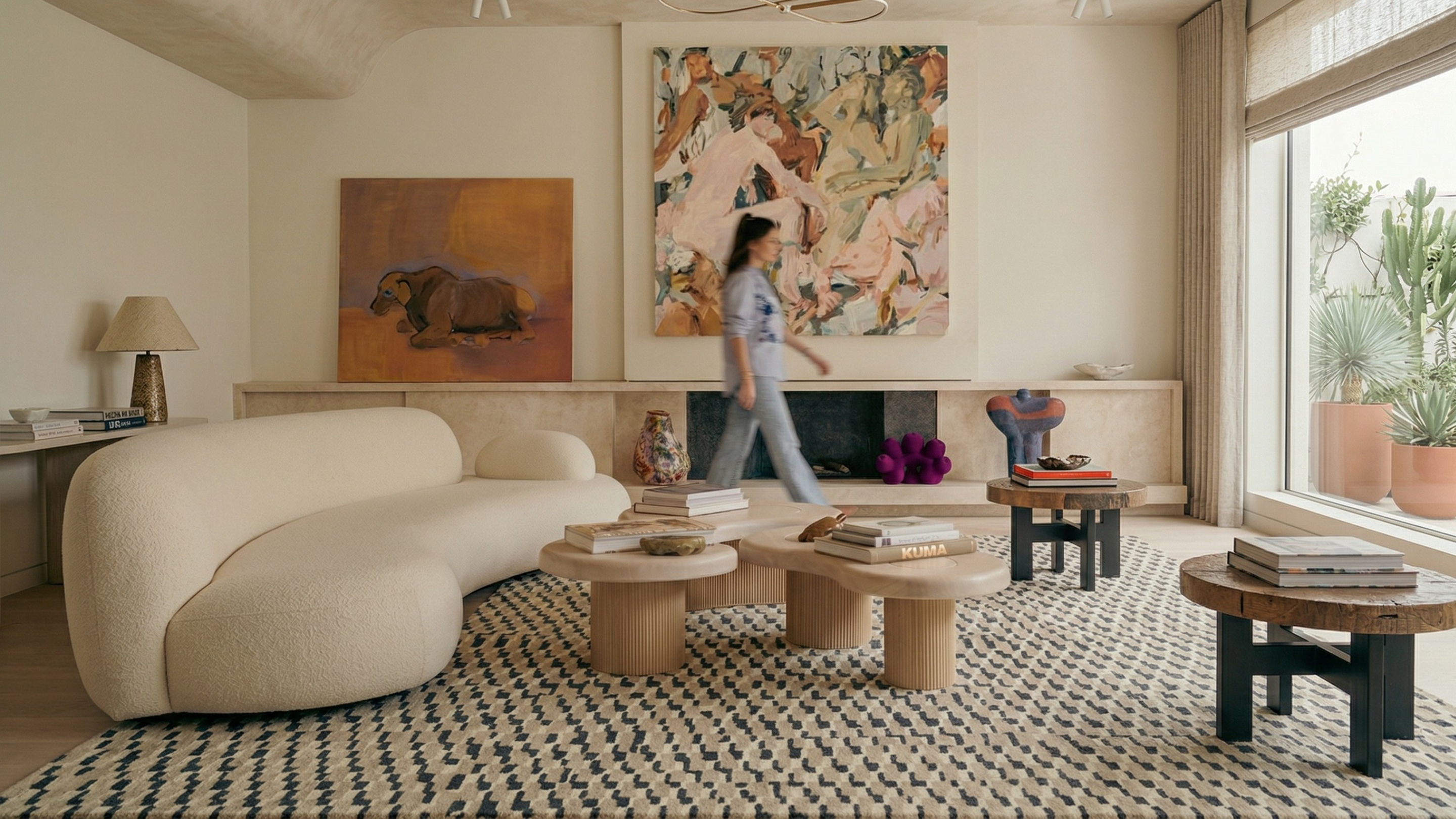
Beige and cream pair effortlessly with almost every interior palette. They look beautiful beside warm wood, muted greens, stone greys, earthy browns, matte blacks, pale blues and brushed metals.
Designers use these tones to build a palette that feels stable. No matter how many materials or accents you introduce, the rug unifies them. It becomes the quiet center of the room.

Reducing Visual Noise with Calm Foundations
Rooms filled with multiple patterns, colors, and textures can easily feel overwhelming. A beige or cream rug helps reduce this intensity, bringing a sense of order without making the space feel rigid. It softens how the eye moves across the room and creates a surface that feels easier to engage with.
This sense of balance is one of the main reasons homeowners continue to choose softer tones. It goes beyond appearance and begins to shape how a space is experienced on a daily basis.
Designer Influence and Global Trends
Interior designers, style influencers, and major décor brands often feature light-toned homes because these palettes translate well visually. Beige and cream highlight furniture forms and surface textures, allowing spaces to feel more intentional and refined.
As these interiors become more visible, people begin to imagine their own homes in a similar way. What starts as inspiration gradually turns into preference, and over time, that preference defines the direction of modern interiors.
Why Beige and Cream Are Ideal for Small Urban Homes
In smaller homes, soft tones become a design tool rather than just a style choice. A cream rug makes a small bedroom feel larger. A beige rug pulls light across the floor of a narrow living room. These tones erase edges and soften boundaries, making small spaces feel more open and breathable.
This advantage is one of the reasons these rugs dominate urban apartments. They help create comfort where space is limited.
Maintenance Myths and Practical Reality
People often assume light rugs are difficult to maintain, but this is outdated thinking. Beige hides dust surprisingly well. Cream stays bright when crafted using high-quality fibers. Modern cleaning tools make maintenance easier than most homeowners expect.
Designers now confidently suggest light rugs because they age gracefully. They remain elegant even after years of daily use.
Long-Term Styling Value and Seasonal Adaptability
One of the strongest reasons for the rise of beige and cream rugs is their staying power. These tones look beautiful in winter when the home feels warm and layered. They look just as refreshing in summer when the décor becomes lighter.
A soft neutral rug never limits your décor choices. It adapts to every season and every mood. That long-term flexibility makes them a smarter investment than trendy colors.
Neutral Rugs as the Connecting Element in Mixed-Material Rooms
Modern homes often combine many materials. Cane chairs. Wooden floors. Metal tables. Linen curtains. Stone tabletops. All of these elements need a visual link to feel intentional. Beige and cream rugs become that link.
They tie materials together without overpowering any single one. They help the space feel unified even when the design mix is diverse.
Creating Clean, Fresh and Emotionally Neutral Interiors
Light rugs give homes a sense of freshness that heavy colors cannot provide. When a room is built on soft neutrals, it feels organized even when filled with many elements. The brain reads light tones as clarity and cleanliness.
People often describe rooms with cream rugs as peaceful. This is because the mind interprets brightness, softness and neutral color as order.
Soft Neutrals and the Rise of Relaxed Luxury
Relaxed luxury has replaced formal luxury in modern design. Homes are no longer about stiff perfection. They are about comfort and sophistication coexisting. Beige and cream represent this balance beautifully.
A soft neutral rug makes a room feel elegant without being intimidating. It invites you in instead of keeping you distant.

Bringing Visual Consistency to Open-Plan Layouts
Open-plan homes need color consistency to avoid feeling chaotic. Beige and cream rugs help create smooth transitions between areas. A living room and dining space connected by soft neutrals feel intentional and cohesive rather than disjointed.
These tones are the quiet thread stitching large homes together.
The Psychological Shift Toward More Relaxed Homes
Beige and Cream as the Emotional Foundation of Modern Living
Beige and cream rugs are not dominating homes because of design trends alone. They dominate because they align with how people want to live. Softer. Slower. More grounded. More intentional.
FAQs
1. Are beige and cream rugs good for small living rooms?
Yes, beige and cream rugs work extremely well in small or compact spaces. Their light tones reflect natural light, making the room appear larger and more open. If you’re browsing living room rugs or planning to buy a soft-tone rug online, these colors remain the most reliable and visually expanding option.
2. How do I choose the right undertone when buying a beige or cream rug?
The easiest method is to match the rug with your wall paint and flooring. Warm beige pairs well with wooden or earthy interiors, while cool cream works best with grey, stone or minimalist styles. If you need help selecting the right undertone, you can navigate to Decordec’s neutral rug collections to compare tones side-by-side.
3. Are cream rugs difficult to maintain compared to darker rugs?
Not anymore. Modern wool and blended fibers are designed to resist dust and daily wear. Beige actually hides fine dust better than dark rugs. For anyone planning to purchase a cream rug online, simple weekly vacuuming is usually enough to keep the rug looking bright and fresh
4. What kind of interiors match soft-tone beige or cream rugs?
These rugs pair effortlessly with Scandinavian, Japandi, minimalist and modern homes. They work with warm woods, matte black accents, linen fabrics and neutral wall colors. If you’re browsing designer rugs online or comparing styles, these tones are the safest and most versatile choice for any décor direction.
5. Do soft-tone rugs work in high-traffic spaces like living rooms?
Yes. High-quality beige and cream rugs age beautifully even in busy rooms. Wool, blended fibers and textured surfaces minimize signs of usage. If you’re planning to buy a rug for high-traffic areas, selecting a hand-crafted neutral rug gives you both durability and visual calm.
6. Where can I explore more neutral rugs that match modern interiors?
You can browse neutral rugs, living room rugs, and soft-tone collections directly on Decordec’s website. Each listing includes detailed size options, close-up textures and styling guidance, making it easy to compare different beige and cream tones before purchasing.
About the author
Afzal Rub is an interior designer who graduated from Pearl Academy of Design with a degree in Textile Interior Design in 2016. He then began his career in New Delhi City by spearheading his own design firm decordec, which handles various high-end design projects in India and beyond. His work has been featured in celebrity homes and he is known for his characteristic of being a tastemaker in the carpet world.
In 2019, Afzal opened his own Decordec, a creative ecosystem for collaboration and development, focusing on experimentation, craftsmanship and technique. Here, artists come together to narrate tales of evolving aesthetics. Decordec is particularly known for its geometry, materiality, and simple aesthetic.
Furthermore, amid a global pandemic that has brought the entire world to a standstill, Afzal wanted to create a formalised body of change amongst designers and has been able to conceptualise and collaborate to launch.
In 2019, Afzal opened his own Decordec, a creative ecosystem for collaboration and development, focusing on experimentation, craftsmanship and technique. Here, artists come together to narrate tales of evolving aesthetics. Decordec is particularly known for its geometry, materiality, and simple aesthetic.
Furthermore, amid a global pandemic that has brought the entire world to a standstill, Afzal wanted to create a formalised body of change amongst designers and has been able to conceptualise and collaborate to launch.
written by Talha Ansari